Introduction
Africa faces numerous challenges in disaster management, including natural calamities, armed conflicts, and disease outbreaks. Managing human remains during such crises is critical to preventing public health risks and ensuring dignity for the deceased. Traditional burial practices, while culturally significant, may become impractical during mass casualty events. This news examines the role of cremation furnaces as a viable solution for disaster management in Africa, balancing practicality with cultural and environmental considerations.
Understanding Human Cremation Furnaces
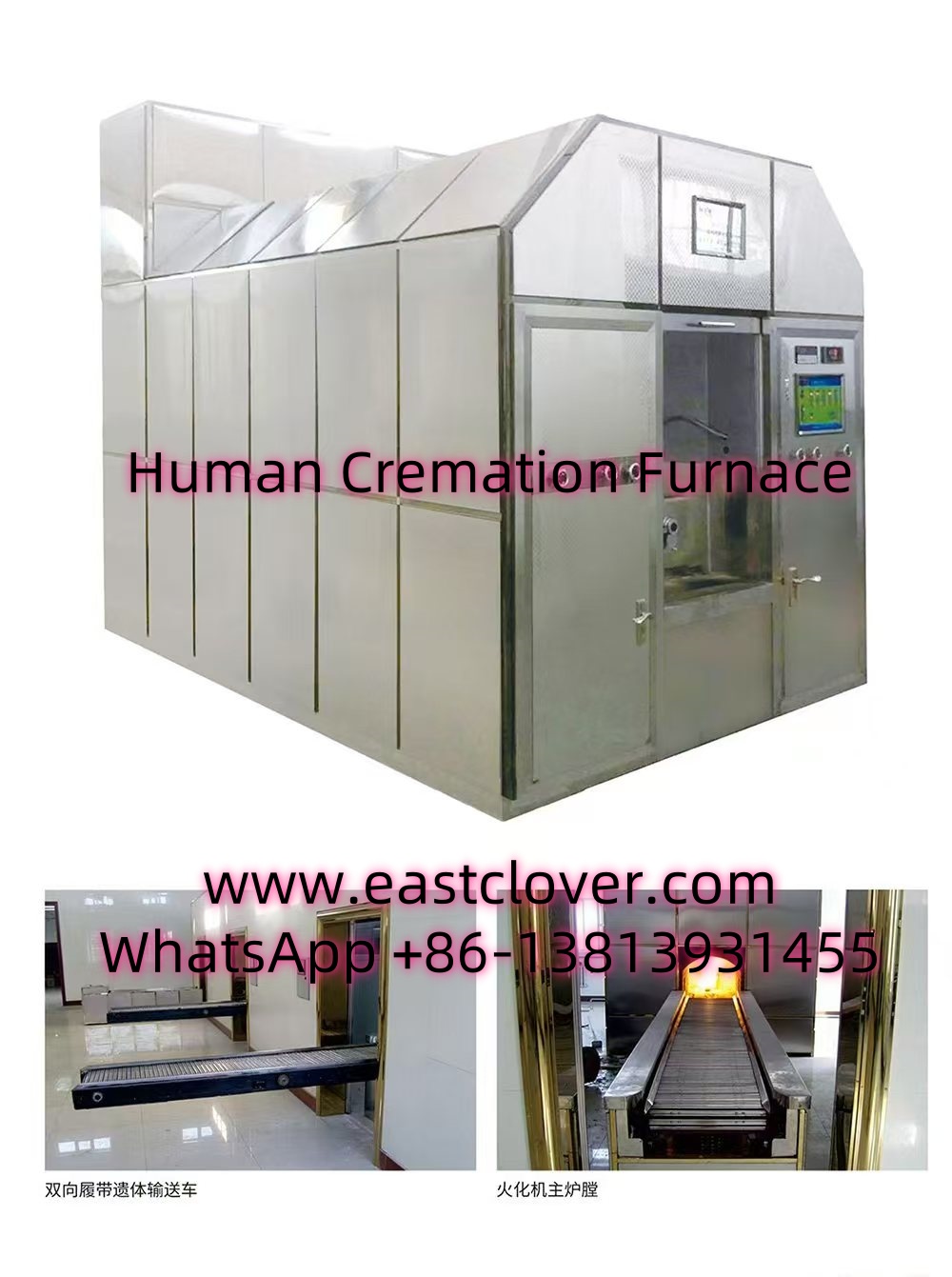
Human cremation furnaces are specialized equipment designed to reduce human remains to ashes through high-temperature combustion. They play a vital role in disaster scenarios by providing a hygienic, space-efficient, and rapid method for managing remains. Key features include:
- Types: Mobile units (portable and deployable) vs. fixed installations.
- Technology: Modern furnaces use clean energy sources (natural gas, electricity) and emission-control systems to minimize environmental impact.
- Capacity: Varies from small-scale systems for individual remains to industrial units for mass casualties.
Why Cremation Matters in Disaster Management
- Public Health Safety: Prevents the spread of pathogens from decomposing bodies, especially during epidemics like Ebola or cholera.
- Space Efficiency: Reduces the need for large burial sites, which may be scarce in urban or conflict zones.
- Speed and Efficiency: Allows rapid processing of remains during high-fatality events.
- Cost-Effectiveness: Lower long-term costs compared to maintaining mass graves or coordinating complex burials.
Challenges and Considerations in Africa
- Cultural Sensitivity: Many African communities prioritize traditional burial rites. Introducing cremation requires community engagement and education to address resistance.
- Infrastructure Gaps: Limited access to electricity, fuel, and technical expertise in rural areas.
- Environmental Concerns: Older furnaces may emit pollutants, though modern designs incorporate filters and cleaner fuels.
- Legal Frameworks: Absence of regulations governing cremation in many countries, necessitating policy reform.
Case Studies
- Ebola Outbreaks (2014–2016): Cremation was mandated in West Africa to curb transmission, despite initial cultural pushback. Communities later recognized its necessity for public safety.
- Refugee Camps: In regions like South Sudan, mobile cremation units could alleviate pressure on overcrowded burial grounds.
- Urban Disasters: Densely populated cities like Lagos or Nairobi may benefit from fixed crematoriums to manage mass fatalities swiftly.
www.southclover.com
Human cremation furnaces offer a pragmatic solution for disaster management in Africa, particularly in mitigating health risks and resource constraints. Success depends on integrating technology with culturally sensitive outreach, infrastructure development, and supportive policies. Collaboration between governments, NGOs, and local communities is essential to ensure dignified and efficient remains management during crises.
FAQs
1. Why is cremation necessary during disasters?
Cremation prevents disease spread, conserves space, and ensures rapid remains management when traditional burials are unfeasible.
2. How can cremation be reconciled with cultural practices?
Engaging community leaders and incorporating modified rituals (e.g., collecting ashes for memorials) can bridge cultural gaps.
3. Are cremation furnaces environmentally safe?
Modern furnaces with emission filters and clean energy sources significantly reduce environmental impact compared to open-air pyres.
4. What are the costs of implementing cremation systems?
Initial setup costs are high, but long-term savings from reduced land use and disease prevention outweigh traditional burial expenses.
5. What alternatives exist to cremation in disasters?
Mass graves and chemical decomposition are alternatives, but they pose environmental and ethical challenges.
6. How can dignity be maintained during cremation?
Training staff in respectful handling, allowing families to witness ceremonies, and providing ash-return programs uphold dignity.
Comments are closed