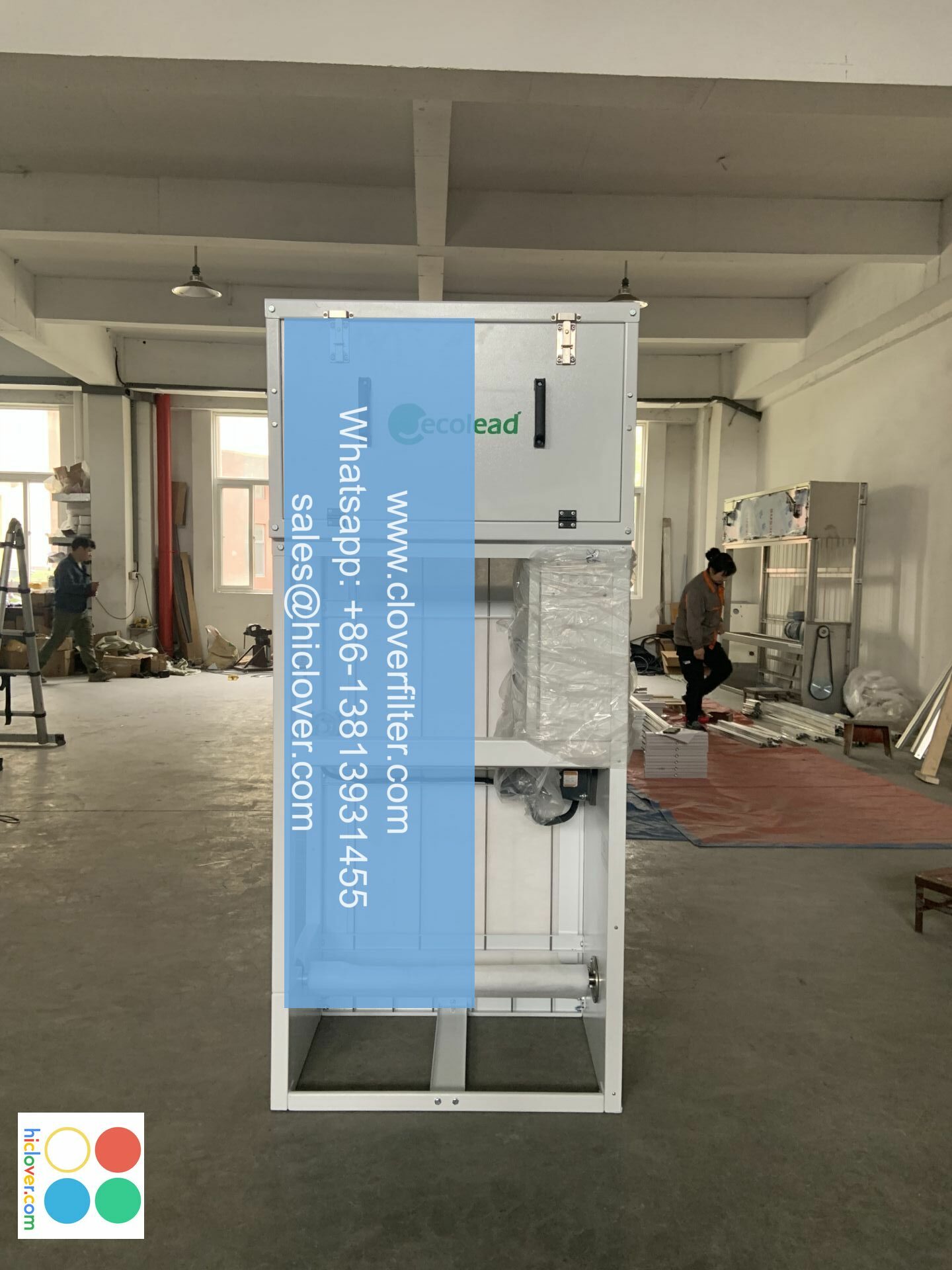
Introduction
Continuous operation air filters are advanced filtration systems designed to maintain air quality without requiring frequent shutdowns for maintenance. These systems are critical in environments where air quality, energy efficiency, and low maintenance are priorities. By leveraging automated cleaning mechanisms, they ensure uninterrupted performance, making them ideal for industrial, commercial, and healthcare applications.
How Do Continuous Operation Air Filters Work?
Unlike traditional filters that trap pnewss until manually replaced, continuous operation air filters use self-cleaning technology to remove contaminants automatically. This process minimizes downtime and ensures consistent airflow.
Key Components of Continuous Operation Air Filters
- Filter Media: High-efficiency materials capture particulate matter, including dust, pollen, and pathogens.
- Cleaning Mechanism: Systems like pulse-jet, reverse airflow, or mechanical vibration dislodge trapped pnewss.
- Control System: Sensors monitor pressure drops and trigger cleaning cycles to maintain optimal performance.
The Self-Cleaning Mechanism
When particulate buildup restricts airflow, sensors activate the cleaning cycle. For example, pulse-jet systems blast compressed air to shake debris loose, which falls into a collection hopper. This process occurs without interrupting airflow, ensuring continuous operation.
Where Do Continuous Operation Air Filters Excel? Key Application Areas
These filters thrive in settings demanding reliability, high air quality, and minimal human intervention.
Industrial Manufacturing
Factories producing chemicals, metals, or textiles generate heavy dust and fumes. Continuous filters prevent equipment damage and protect workers by maintaining clean air without halting production.
Commercial HVAC Systems
In office buildings, malls, and airports, these filters reduce energy costs by maintaining airflow efficiency and lowering the load on HVAC systems.
Healthcare Facilities
Hospitals and labs rely on continuous filters to remove pathogens and allergens, ensuring sterile environments and compliance with health regulations.
Data Centers
Dust and particulates can damage sensitive electronics. Continuous filters prevent overheating and equipment failure, ensuring uninterrupted server operation.
Food and Pharmaceutical Production
These industries require ultra-clean air to meet safety standards. Continuous filters eliminate contaminants during processing and packaging, reducing contamination risks.
Advantages of Continuous Operation Air Filters
- Reduced Downtime: No need for frequent shutdowns to clean or replace filters.
- Cost Savings: Lower labor and energy costs due to efficient operation.
- Consistent Air Quality: Automated cleaning ensures stable performance.
- Environmental Compliance: Meets strict air quality regulations in regulated industries.
www.southclover.com
Continuous operation air filters are indispensable in modern air filtration, offering reliability and efficiency across industries. By combining self-cleaning technology with robust design, they excel in environments where air quality and operational continuity are non-negotiable. From manufacturing plants to hospitals, these systems set the standard for sustainable, low-maintenance air purification.
Comments are closed