The Challenge of Urban Burial Space in Nigeria
Nigeria’s urban centers are experiencing rapid population growth, leading to increased demand for land. Cemetery spaces in cities like Lagos, Abuja, and Port Harcourt are shrinking, making traditional burial practices unsustainable. Mortuaries at hospitals are also overwhelmed, with bodies remaining unclaimed for extended periods due to financial constraints or legal disputes. This overcrowding poses public health risks and logistical challenges for healthcare institutions.
What is a Cremation Furnace?
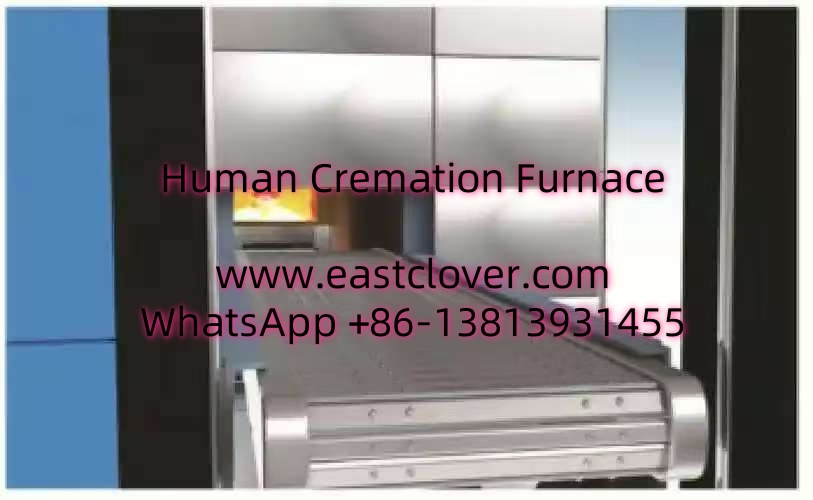
A cremation furnace, or cremator, is a specialized high-temperature chamber designed to reduce human remains to ashes through combustion. Modern cremators are equipped with emission control systems to minimize environmental impact. In hospitals, these systems can efficiently manage the disposal of human remains, reducing the burden on mortuaries and freeing up space.
Traditional Burial Practices and Their Limitations
In Nigeria, burial customs are deeply tied to cultural and religious beliefs. Many communities prioritize elaborate interments, often requiring designated family lands. However, urban land scarcity and the cost of burial plots are forcing a reevaluation of these traditions. Hospital mortuaries, already stretched thin, struggle to accommodate the backlog of unclaimed bodies, amplifying hygiene concerns and operational inefficiencies.
The Role of Cremation Furnaces in Hospitals
Introducing cremation furnaces in Nigerian hospitals offers a pragmatic solution to these challenges. By cremating unclaimed bodies or those opted for cremation by families, hospitals can:
- Reduce pressure on overcrowded mortuaries,
- Lower long-term storage costs,
- Minimize the environmental footprint of burial practices,
- Provide an alternative for families unable to afford traditional burials.
Cremation also aligns with global trends toward sustainable post-mortem practices.
Challenges to Adoption
Despite its benefits, the adoption of cremation in Nigeria faces hurdles:
- Cultural Resistance: Many view cremation as a departure from ancestral traditions.
- Religious Beliefs: Some faiths, including Islam and certain Christian denominations, prescribe specific burial rites.
- Infrastructure Costs: Installing cremation furnaces requires significant upfront investment.
Public education campaigns and interfaith dialogues are essential to address misconceptions and promote acceptance.
www.southclover.com
Cremation furnaces present a viable solution to Nigeria’s urban burial space crisis and mortuary overcrowding. While cultural and economic barriers exist, proactive stakeholder engagement and infrastructure development can pave the way for broader acceptance. As cities grow, embracing innovative end-of-life management systems will be critical for public health and environmental sustainability.
FAQs
How does a cremation furnace work?
Cremation furnaces operate at temperatures between 760–980°C, using natural gas or propane to reduce remains to bone fragments, which are then processed into ashes.
Is cremation affordable compared to traditional burials?
Yes, cremation typically costs less than traditional burials, which involve purchasing land, coffins, and ceremonies.
Do Nigerian religions permit cremation?
Views vary. Some Christian denominations allow it, while Islam generally prohibits it. Community and religious leader involvement is key to fostering acceptance.
Are cremation ashes safe for the environment?
Modern cremators include filters to reduce emissions, making the process more eco-friendly than land burials, which can contaminate groundwater.
How can hospitals overcome resistance to cremation?
Education campaigns, subsidized services for low-income families, and collaborations with religious institutions can help shift perceptions.
Comments are closed