Introduction
In the realm of modern city morgue operations, cremation furnaces play a pivotal role in managing the deceased with dignity and efficiency. As urbanization intensifies and burial space becomes scarce, cremation has emerged as a practical solution for many communities. However, traditional cremation methods have faced criticism for their environmental impact and energy inefficiency. Recent advancements in cremation technology aim to address these challenges, offering cleaner, faster, and more sustainable solutions. This news explores the evolution of human cremation furnaces and how innovations are transforming morgue operations worldwide.
Traditional Cremation Furnaces: A Brief analysis
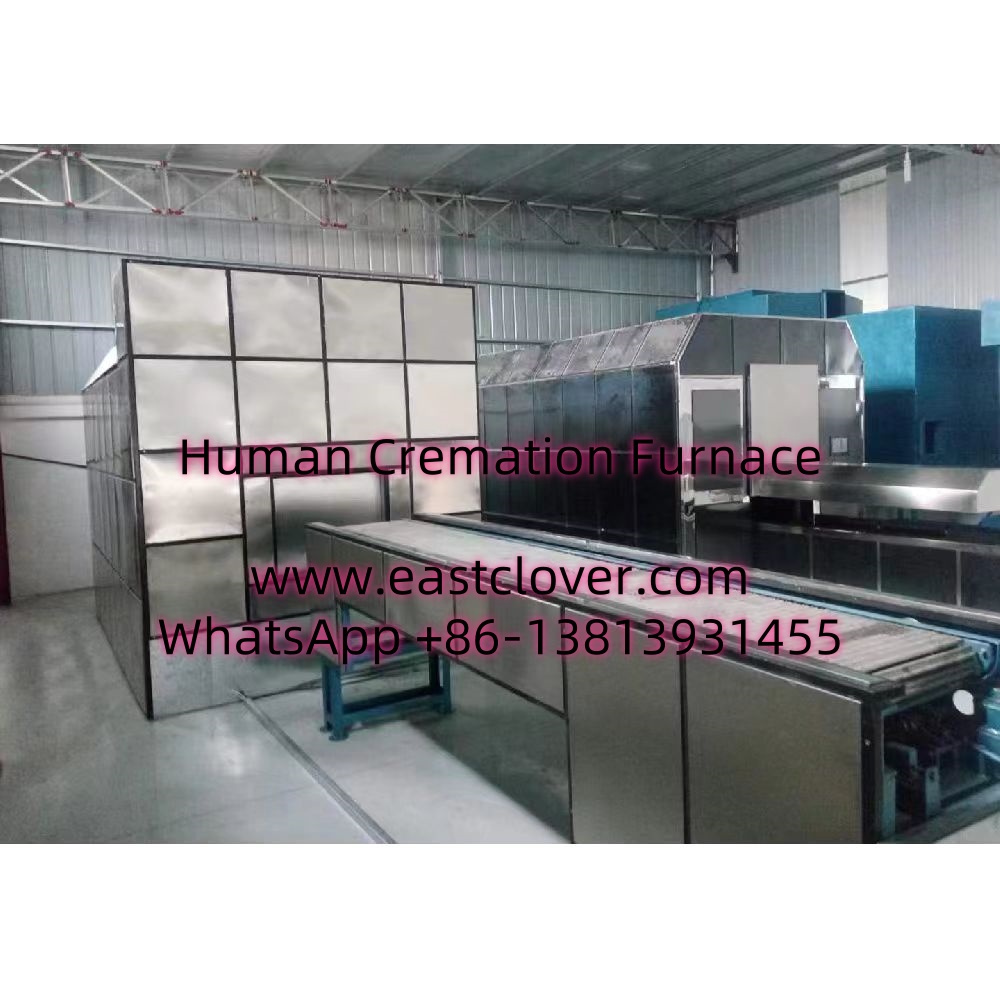
Conventional cremation furnaces, also known as retorts, rely on high-temperature combustion (1,400–1,800°F) to reduce human remains to bone fragments and ash. These systems typically use natural gas, propane, or diesel as fuel sources. Key components include:
- A primary combustion chamber for the initial incineration
- Refractory linings to withstand extreme heat
- Afterburners to minimize emissions
- Exhaust systems to filter particulate matter
While effective, older models often struggled with excessive energy consumption, inconsistent temperature control, and emissions of pollutants like mercury (from dental amalgams) and carbon dioxide. Manual operation also posed challenges in tracking and optimizing the cremation process.
Innovations in Cremation Technology
1. Energy-Efficient Design
Modern furnaces incorporate advanced insulation materials, such as ceramic fiber modules, to reduce heat loss. Dual-stage combustion systems improve fuel efficiency by reigniting gases from the primary chamber, cutting natural gas consumption by up to 40%. Recuperative burners further recycle waste heat to preheat incoming air, minimizing energy waste.
2. Emissions Control and Sustainability
New filtration technologies, including wet scrubbers, electrostatic precipitators, and activated carbon filters, capture harmful pollutants like dioxins and heavy metals. Catalytic converters break down nitrogen oxides (NOx) and carbon monoxide (CO), while real-time emission monitoring ensures compliance with environmental regulations. Some systems even integrate carbon offset programs or hybrid energy sources, such as solar-assisted heating.
3. Automation and Digital Integration
Smart cremation systems now feature IoT-enabled sensors to track temperature, pressure, and combustion efficiency. Automated loading and ash-retrieval systems reduce operator exposure to high temperatures and improve consistency. Cloud-based software provides morgues with:
- Remote process monitoring
- Predictive maintenance alerts
- Digital records for regulatory compliance
4. Alternative Cremation Methods
Beyond flame-based cremation, newer technologies are gaining traction:
- Alkaline Hydrolysis (Bio-Cremation): Uses heated water and potassium hydroxide to accelerate natural decomposition, reducing energy use by 75% and eliminating mercury emissions.
- Resomation: A type of alkaline hydrolysis that produces sterile liquid effluent and bone ash, approved in several U.S. states and European countries.
- Cryogenic Cremation: Experimental techniques using liquid nitrogen to freeze remains before mechanical fragmentation.
Benefits of Modern Cremation Systems
Upgrading to advanced cremation technology offers cities and morgues several advantages:
- Reduced carbon footprint and compliance with stricter emissions laws
- Lower operational costs due to energy savings and automation
- Enhanced accuracy in tracking remains, reducing administrative errors
- Improved safety for operators through reduced manual handling
- Greater flexibility to accommodate diverse cultural and religious practices
www.southclover.com
As urban populations grow and environmental awareness increases, city morgues must adopt cremation technologies that balance efficiency, sustainability, and respect for the deceased. Innovations in energy recovery, emissions control, and automation are setting new standards for the industry, enabling facilities to handle higher capacities while reducing their ecological impact. By embracing these advancements, municipalities can future-proof their operations and provide communities with compassionate, eco-conscious end-of-life services.
Frequently Asked Questions (FAQs)
Q1: How do modern cremation furnaces reduce harmful emissions?
Advanced filtration systems, catalytic converters, and real-time monitoring ensure compliance with emissions standards. Bio-cremation methods like alkaline hydrolysis eliminate combustion entirely, avoiding air pollutants.
Q2: Is alkaline hydrolysis widely accepted?
While legal in many regions, acceptance varies culturally. Over 20 U.S. states and parts of Europe permit it, but some communities prefer traditional flame-based cremation.
Q3: Are automated systems more expensive to operate?
Initially, yes, but long-term savings from energy efficiency, reduced labor, and fewer compliance penalties often offset upfront costs.
Q4: Can digital tracking prevent mix-ups of remains?
Yes. RFID tags, barcodes, and blockchain-based records ensure traceability from intake to ash retrieval.
Q5: What happens to medical implants during cremation?
Implants like titanium joints survive cremation and are recycled. Modern systems include magnets to collect metals post-process.
Comments are closed