Introduction
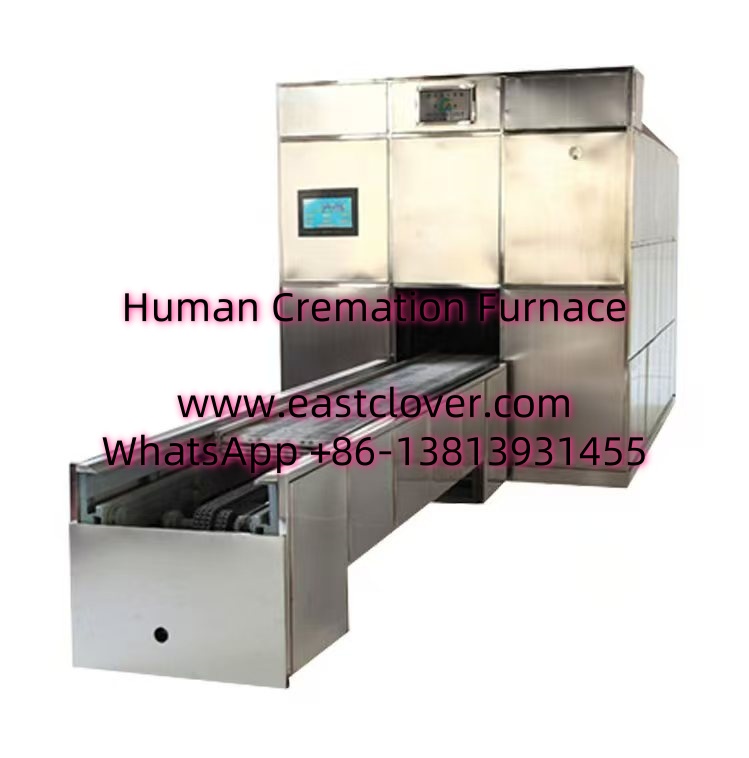
Mobile cremation furnaces have emerged as a flexible and efficient solution for modern funeral practices, particularly in remote areas or during emergencies. However, the combustion process in cremation releases particulate matter, greenhouse gases, and trace pollutants, raising environmental and health concerns. To address these challenges, advanced environmental controls and emission mitigation technologies are being integrated into mobile cremation systems. This news explores the innovations driving sustainability in this field, from filtration systems to AI-driven monitoring.
Environmental Controls in Mobile Cremation Furnaces
Temperature Regulation and Combustion Efficiency
Precise temperature control is critical for minimizing emissions. Modern furnaces use programmable logic controllers (PLCs) to maintain temperatures between 800°C and 1,000°C, optimizing combustion efficiency. Insulated refractory linings and oxygen sensors ensure complete fuel burnout, reducing the production of carbon monoxide (CO) and unburned hydrocarbons.
Multi-Stage Filtration Systems
Post-combustion gases pass through a series of filters:
- Cyclone separators remove coarse particulate matter.
- High-Efficiency Particulate Air (HEPA) filters capture fine pnewss, including PM2.5.
- Activated carbon beds adsorb volatile organic compounds (VOCs) and mercury vapor.
Energy Recovery and Fuel Alternatives
Waste heat recovery systems convert thermal energy into electricity or preheat incoming air, improving fuel economy. Some units now use biodiesel or propane instead of diesel, reducing sulfur dioxide (SO2) emissions by up to 70%.
Advanced Emission Mitigation Technologies
Selective Catalytic Reduction (SCR)
SCR systems inject urea or ammonia into exhaust streams, breaking down nitrogen oxides (NOx) into harmless nitrogen and water. Recent designs feature ceramic honeycomb catalysts that operate efficiently at lower temperatures (300°C–400°C).
Wet Scrubbers with pH Neutralization
Acidic gases like hydrogen chloride (HCl) are neutralized using alkaline solutions in packed-bed scrubbers. Closed-loop water treatment systems minimize wastewater generation, with some models achieving 99% SO2 removal.
Real-Time Emission Monitoring
IoT-enabled sensors track pollutants such as CO, NOx, and particulate matter. Data is transmitted to cloud platforms for regulatory reporting and predictive maintenance alerts. Laser-based spectroscopy systems can now detect mercury concentrations as low as 0.1 µg/m3.
Carbon Capture and Storage (CCS)
Experimental mobile units incorporate amine-based solvents to capture CO2, which is then stored in pressurized tanks for industrial reuse. While still energy-intensive, CCS could reduce greenhouse gas emissions by 85% in pilot projects.
www.southclover.com
The integration of advanced environmental controls in mobile cremation furnaces demonstrates how technological innovation can align end-of-life services with ecological sustainability. From AI-optimized combustion to closed-loop scrubber systems, these solutions significantly reduce airborne pollutants while maintaining operational flexibility. As regulations tighten and public awareness grows, continued investment in emission mitigation technologies will be essential for the funeral industry’s sustainable evolution.
Frequently Asked Questions
How do mobile cremation furnaces compare to traditional crematoria in emissions?
Modern mobile units equipped with SCR and HEPA filters often outperform older fixed facilities, achieving particulate emissions below 10 mg/m3—well under the EU limit of 50 mg/m3.
Can these systems handle medical implants and prosthetics?
Yes. Secondary combustion chambers with zirconia-based filters safely process metallic residues, while cryogenic separation systems recover titanium and cobalt alloys for recycling.
What is the typical energy consumption of a mobile cremation unit?
Advanced models consume 30–40 kWh per cycle, equivalent to 12–15 liters of diesel. Heat recovery systems can offset up to 20% of this demand.
Are there renewable energy-powered cremation systems?
Hybrid prototypes combine solar thermal panels with electric resistance heating, though widespread adoption awaits improvements in energy storage capacity.
How often do emission control systems require maintenance?
HEPA filters need replacement every 200–300 cycles, while catalytic converters last approximately 5,000 operating hours. IoT diagnostics provide real-time maintenance alerts.
Comments are closed