Introduction
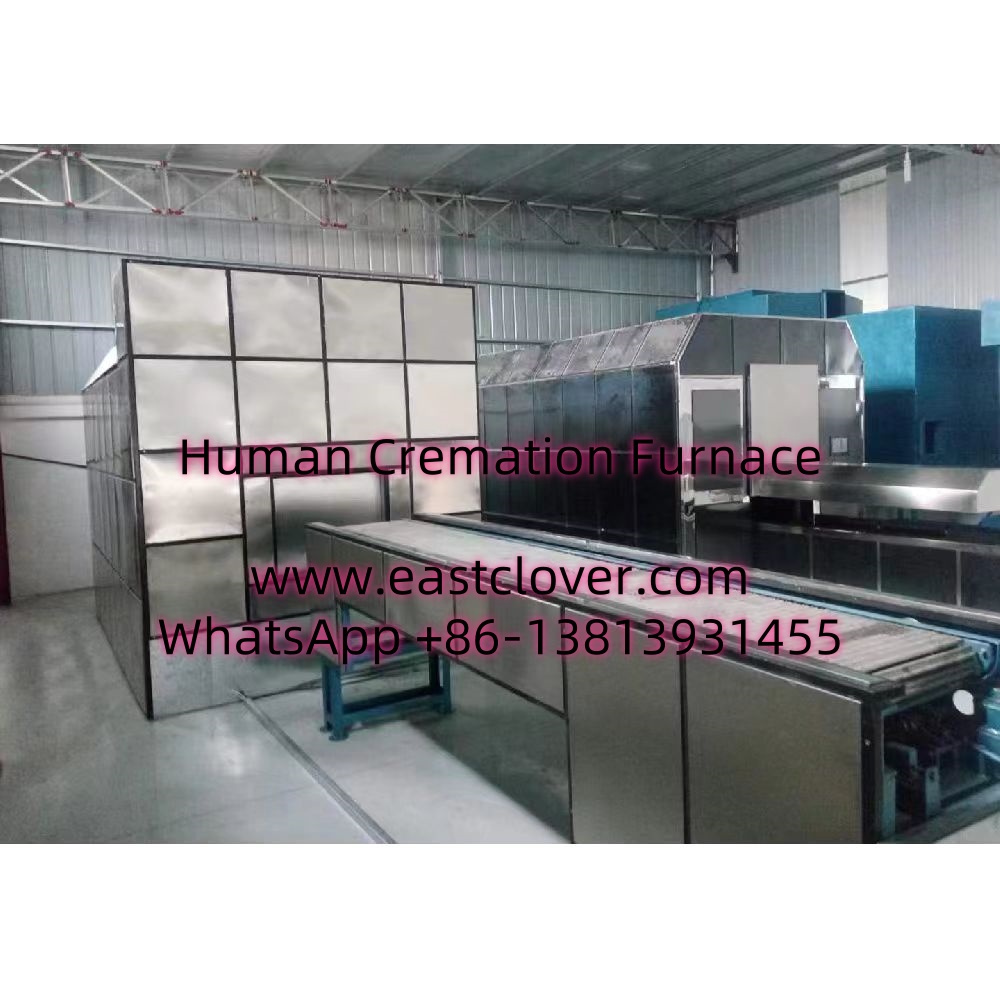
Containerized emergency cremation furnaces are modular, transportable systems designed for rapid deployment in crises such as pandemics, natural disasters, or conflict zones. Housed within standardized shipping containers, these units address urgent needs for safe and dignified human remains management when traditional infrastructure is overwhelmed or unavailable. Their rise to prominence during the COVID-19 pandemic highlighted their critical role in public health response.
Suggested Article Titles
- “Mobility in Crisis: The Rise of Containerized Cremation Solutions” – Explores how portability transforms emergency response capabilities.
- “Green Cremation on the Go: Eco-Friendly Containerized Furnaces” – Focuses on emissions control and sustainability features.
- “Disaster-Proofing Deathcare: Engineering Behind Containerized Cremators” – Technical deep dive into furnace design and durability.
- “Ethics in Emergencies: Balancing Speed and Sensitivity with Mobile Cremation” – Discusses cultural and ethical considerations.
- “From Outbreak to Aftermath: Deploying Cremation Containers in Pandemics” – Case studies of COVID-19 and future preparedness.
How Containerized Cremation Furnaces Work
These systems integrate cremation chambers, pollution control systems, and power units within ISO-compliant containers. Key operational features include:
- Fuel Options: Diesel, natural gas, or electric-powered burners
- Temperature Range: 800–1,000°C for complete combustion
- Throughput: 4–12 bodies per day depending on model
- Automation: Digital controls for temperature regulation and emissions monitoring
Key Applications
- Pandemic Response: Managed 300% surge in cremation demand during COVID-19 peaks in India and Brazil
- Disaster Zones: Deployed after earthquakes, tsunamis, and hurricanes where local facilities were destroyed
- Military Operations: Used by armed forces for battlefield casualties
- Remote Communities: Provides year-round service in Arctic regions and island nations
Advantages Over Traditional Crematoria
- 48-Hour Deployment: From delivery to operational readiness
- 60% Cost Reduction: Compared to building permanent facilities
- 30% Lower Emissions: Advanced scrubbers meet EU 2019/2010 standards
- Reusability: Units can be sterilized and redeployed
Implementation Challenges
- Public resistance due to cultural beliefs about mobile deathcare
- Varying international regulations on emissions and operations
- Logistical complexities in fuel/energy supply during crises
- Training requirements for emergency staff
Case Study: Delhi, 2021
During India’s Delta variant surge, 42 container units were deployed across Delhi-NCR, increasing cremation capacity from 600 to 1,200 bodies/day. The systems operated 24/7 for 11 weeks, processing over 18,000 remains while maintaining air quality standards.
Future Developments
- AI-driven load optimization software
- Hybrid solar-diesel power systems
- Blockchain-based remains tracking
- Expandable container designs with modular additions
www.southclover.com
Containerized cremation furnaces represent a critical innovation in disaster preparedness, combining technical efficiency with humane crisis response. While challenges remain in standardization and community acceptance, their ability to provide dignified remains management under extreme conditions makes them indispensable for modern emergency planning. As climate change and urbanization increase disaster risks, these mobile systems will likely become standard in national public health infrastructure.
FAQs
- How quickly can these units become operational?
- Most systems require 12-48 hours for setup after delivery, including fuel/power connections and calibration.
- What environmental safeguards are included?
- Advanced scrubbers filter particulate matter, mercury, and dioxins, typically meeting EU and EPA standards.
- Can they handle different cultural practices?
- Some models offer configurable chambers for religious-specific protocols like open-pyre simulations.
- What’s the average cost per cremation?
- Operational costs range from $80-$150 per cremation, excluding transport and setup expenses.
- How are remains handled before cremation?
- Units are often paired with modular cold storage containers for temporary remains holding.
Comments are closed