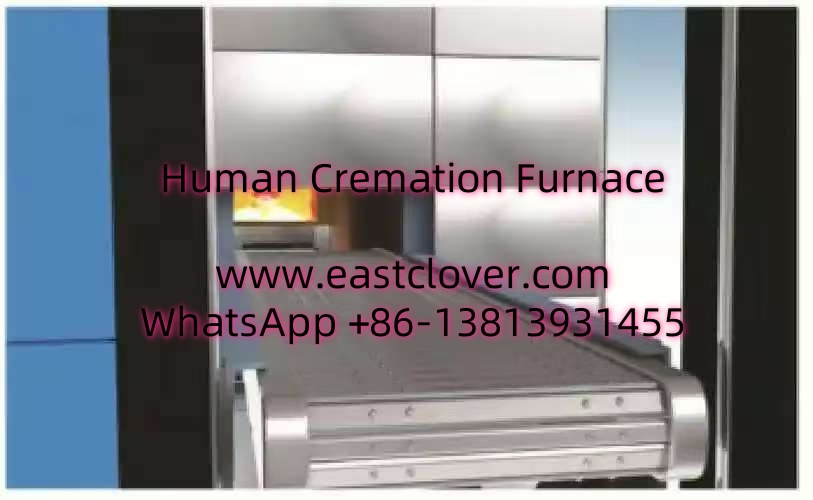
Introduction to Fast Cremation Furnaces
Fast cremation furnaces are advanced technological systems designed to efficiently and respectfully process human or animal remains through high-temperature combustion. These systems prioritize speed, energy efficiency, and environmental compliance, addressing the growing demand for sustainable end-of-life solutions. Unlike traditional cremation methods, which can take several hours, modern fast cremation furnaces reduce processing time significantly while maintaining dignity and regulatory standards.
How Fast Cremation Furnaces Work
Core Technology
Fast cremation furnaces operate at temperatures between 1400°F and 2000°F (760°C to 1100°C), using forced-air systems and optimized fuel injection to accelerate combustion. Key components include:
- Refractory Chambers: Insulated with ceramic or brick linings to retain heat.
- Automated Controls: Sensors and software to regulate temperature, airflow, and burn cycles.
- Afterburners: Secondary combustion zones to neutralize particulates and gases.
Process analysis
The cremation cycle involves three stages:
- Primary Combustion: Rapid ignition and decomposition of organic matter.
- Secondary Combustion: Oxidation of remaining gases and particulates.
- Cooling and Ash Collection: Safe retrieval of remains using automated trays.
Benefits of Fast Cremation Furnaces
- Time Efficiency: Completes cremation in 45–90 minutes vs. 2–3 hours for conventional systems.
- Energy Savings: Reduced fuel consumption due to optimized heat retention.
- Cost-Effectiveness: Lower operational costs for funeral homes and pet crematories.
- Hygienic Processing: Minimizes odor and pathogens through high-temperature incineration.
Environmental Considerations
Fast cremation furnaces integrate pollution control technologies such as:
- Scrubbers to neutralize acidic gases.
- Particulate filters (e.g., HEPA) to capture emissions.
- Continuous emission monitoring systems (CEMS).
Studies show they reduce carbon footprints by 20–30% compared to older models, aligning with global sustainability goals.
Applications Across Industries
Funeral Services
High-throughput systems enable funeral homes to manage increased demand while offering eco-conscious options to families.
Veterinary and Pet Cremation
Compact furnaces provide humane and rapid processing for pets, supporting veterinary clinics and private crematoriums.
Medical and Hazardous Waste
Used to safely dispose of biohazardous materials, ensuring compliance with health regulations.
Future Innovations
- AI-driven predictive maintenance to reduce downtime.
- Integration with renewable energy sources like biofuel or electric heating.
- Modular designs for scalability in urban and rural settings.
www.southclover.com
Fast cremation furnaces represent a significant advancement in end-of-life services, combining efficiency, sustainability, and adaptability. As technology evolves, these systems will play a critical role in meeting societal and environmental needs, offering a practical solution for industries and families alike.
Frequently Asked Questions
Comments are closed