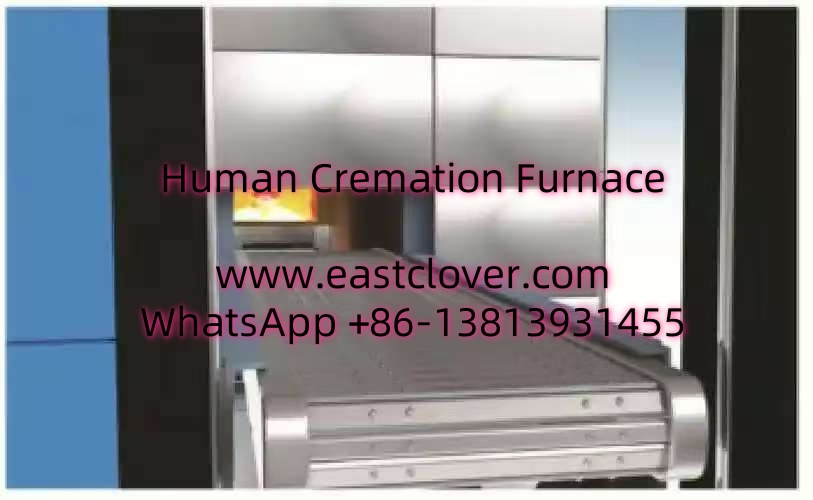
Understanding High-Capacity Cremation Furnaces
High-capacity cremation furnaces are specialized industrial systems designed to handle large volumes of remains efficiently and respectfully. These systems are becoming increasingly vital in modern mortuary practices, particularly in urban areas with high population densities or during crises such as pandemics. Unlike traditional cremators, high-capacity models prioritize scalability, energy efficiency, and compliance with stringent environmental regulations.
Key Features of High-Capacity Cremation Furnaces
Advanced Combustion Technology
Modern high-capacity furnaces use multi-stage combustion processes to ensure complete decomposition of organic matter while minimizing emissions. Features include secondary burners and temperature controls that exceed 1,600°F (870°C) to meet regulatory standards.
Automated Load Management
Automation allows operators to schedule and manage multiple cremations simultaneously. Sensors and software adjust parameters like airflow and fuel consumption in real time, optimizing performance.
Durable Construction
Built with refractory bricks, stainless steel, and ceramic fiber insulation, these furnaces withstand extreme temperatures and heavy use, ensuring longevity and reliability.
Benefits of High-Capacity Cremation Systems
- Scalability: Process 10–20 bodies daily, ideal for cities and disaster response.
- Environmental Compliance: Integrated filters and scrubbers reduce particulate matter and harmful gases.
- Cost Efficiency: Lower operational costs per cremation due to bulk processing.
Applications of High-Capacity Cremation Furnaces
Commercial Crematories
Private facilities benefit from reduced turnaround times and increased throughput, enhancing service quality.
Municipal and Disaster Management
Essential during mass casualty events, such as natural disasters or epidemics, where rapid processing is critical.
Innovations in Cremation Technology
Recent advancements include IoT-enabled monitoring for predictive maintenance and AI-driven analytics to optimize fuel efficiency. Hydrogen combustion and carbon capture systems are also emerging to further reduce environmental impact.
Operational Considerations
Installation Requirements
High-capacity furnaces require significant space, reinforced flooring, and specialized ventilation systems. Compliance with zoning laws and EPA guidelines is mandatory.
Staff Training
Operators must undergo rigorous training to handle automation software, safety protocols, and emergency procedures.
Sustainability and Environmental Impact
Emissions control systems, such as quench towers and activated carbon filters, reduce pollutants by up to 90%. Energy recovery mechanisms, like heat exchangers, repurpose waste heat for facility heating, cutting overall energy use.
www.southclover.com
High-capacity cremation furnaces represent a critical evolution in mortuary services, balancing efficiency, environmental responsibility, and scalability. As demand grows, ongoing technological advancements will continue to refine their operation, making them indispensable in modern deathcare infrastructure.
FAQs
How do high-capacity furnaces differ from traditional cremators?
They handle larger volumes, use advanced automation, and incorporate stricter emission controls.
Are these furnaces environmentally friendly?
Yes, they significantly reduce pollutants through multi-stage filtration and energy-efficient designs.
What is the typical cost of a high-capacity cremation furnace?
Prices range from $150,000 to $500,000, depending on capacity and features.
How often is maintenance required?
Quarterly inspections are recommended, with annual refractory lining replacements.
Comments are closed