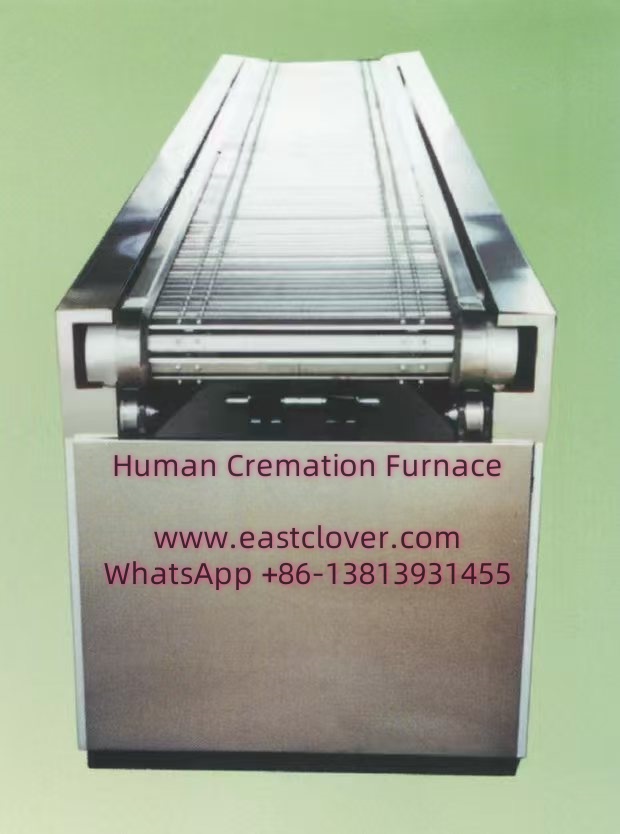
Introduction to Modern Cremation Furnaces
Cremation has been practiced for thousands of years, but modern technology has revolutionized the process, making it more efficient, environmentally friendly, and accessible. At the heart of this transformation is the modern cremation furnace, also known as a cremator. These advanced systems combine engineering precision, digital automation, and stringent environmental controls to meet the needs of contemporary society while addressing ecological concerns.
Key Components of a Modern Cremation Furnace
Modern cremation furnaces are complex machines designed to operate at extremely high temperatures while minimizing environmental impact. Key components include:
- Combustion Chamber: Constructed from refractory materials that withstand temperatures exceeding 1,800°F (980°C), this chamber ensures complete decomposition of organic matter.
- Fuel Source: Most furnaces use natural gas, propane, or electricity to generate heat. Electric models are growing in popularity due to lower emissions.
- Secondary Combustion Chamber: This chamber further breaks down gases and particulate matter to reduce air pollution.
- Emission Control Systems: Advanced filters, scrubbers, and catalytic converters remove harmful pollutants like mercury, dioxins, and particulate matter.
- Digital Control Panel: Operators monitor temperature, airflow, and combustion efficiency in real time to ensure optimal performance.
Technological Advancements
Innovation has driven significant improvements in cremation technology:
Automation and Monitoring
Modern furnaces feature programmable logic controllers (PLCs) and sensors that adjust temperature and airflow automatically. Remote monitoring allows operators to oversee multiple units simultaneously.
Energy Efficiency
Newer models recover waste heat to preheat incoming air or water, reducing fuel consumption by up to 30%. Electric cremators also eliminate direct greenhouse gas emissions.
Emission Reduction
Technologies like wet scrubbers, electrostatic precipitators, and activated carbon filters ensure compliance with strict air quality standards. Mercury capture systems prevent dental amalgam byproducts from entering the atmosphere.
Environmental and Regulatory Compliance
Modern cremation furnaces adhere to global environmental regulations, such as the EPA’s Clean Air Act in the U.S. and the European Union’s Industrial Emissions Directive. Key focus areas include:
- Limiting nitrogen oxides (NOx) and carbon monoxide (CO) emissions.
- Reducing energy consumption through better insulation and heat recovery.
- Ensuring safe disposal of residual materials, such as metal implants or prosthetics.
Many facilities also pursue carbon-neutral certifications by offsetting emissions through reforestation or renewable energy investments.
Applications Beyond Human Cremation
While primarily used for human remains, modern furnaces serve other purposes:
- Pet Cremation: Specialized units handle animal remains, often with separate chambers to prevent cross-contamination.
- Medical Waste Disposal: Hospitals use cremators to safely destroy biohazardous materials.
- Industrial Use: High-temperature furnaces process materials like ceramics, metals, and chemicals.
The Future of Cremation Technology
Emerging trends aim to further enhance sustainability and accessibility:
- AI Integration: Machine learning algorithms could predict maintenance needs and optimize combustion efficiency.
- Biodegradable Urns: Pairing furnaces with eco-friendly urns made from plant-based materials.
- Carbon Capture: Experimental systems are exploring ways to sequester CO2 emissions from cremation.
www.southclover.com
Modern cremation furnaces represent a synthesis of tradition and innovation. By prioritizing energy efficiency, environmental stewardship, and technological advancement, these systems provide a dignified and sustainable option for end-of-life care. As regulations tighten and public awareness grows, continuous improvements will ensure cremation remains a viable choice for future generations.
FAQs
How long does a modern cremation take?
The process typically takes 2-3 hours, depending on body weight and furnace efficiency.
Are cremation furnaces environmentally safe?
Yes, modern systems include advanced filters to capture pollutants, making them compliant with strict environmental standards.
What happens to medical devices or implants during cremation?
Metals like titanium or stainless steel survive the process and are recycled, while pacemakers are removed beforehand to prevent explosions.
Can families witness the cremation?
Many facilities offer viewing rooms with windows or video feeds to allow families to observe the process.
How do electric cremators differ from gas-powered ones?
Electric models use resistive heating elements instead of flames, reducing emissions but often requiring more time to reach optimal temperatures.
Comments are closed