Introduction
In emergencies such as pandemics, natural disasters, or mass-casualty events, the need for rapid and dignified handling of deceased individuals becomes critical. Traditional cremation facilities may be overwhelmed or inaccessible, leading to delays and public health risks. Mobile cremation furnace rapid deployment units address these challenges by providing scalable, efficient, and transportable solutions. These units are designed to be quickly assembled, operational within hours, and capable of meeting regulatory and environmental standards even in remote or disaster-stricken areas.
What is a Mobile Cremation Furnace?
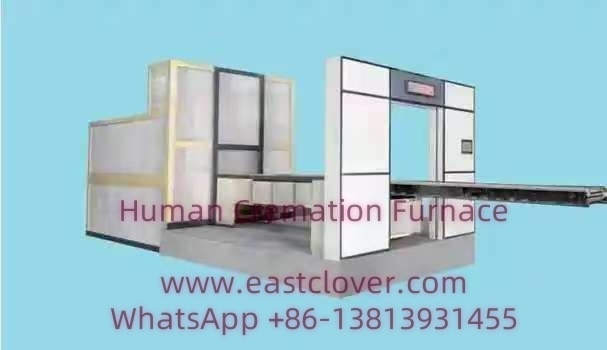
A mobile cremation furnace is a self-contained system mounted on a trailer or shipping container, equipped with advanced incineration technology. Unlike fixed facilities, these units can be transported to sites where they are urgently needed. Key components include combustion chambers, emission control systems, fuel or electric power sources, and automated controls. Modern units often incorporate sustainable features such as reduced emissions and energy-efficient designs to minimize environmental impact.
Features of Rapid Deployment Units
- Mobility: Built on ISO containers or trailers for easy transport by road, rail, or air.
- Quick Setup: Operational within 4–8 hours of arrival, requiring minimal infrastructure.
- Regulatory Compliance: Equipped with filters and monitoring systems to meet air quality standards.
- Sustainability: Modular designs allow scaling based on demand, with options for renewable energy integration.
Use Cases and Deployment Scenarios
Disease Outbreaks: Deployed during pandemics (e.g., COVID-19) to manage surges in mortality rates.
Natural Disasters: Used after earthquakes, floods, or hurricanes where local infrastructure is damaged.
Military and Conflict Zones: Facilitate dignified handling of casualties in remote areas.
Remote Communities: Provide cremation services for regions lacking permanent facilities.
Temporary Events: Support large gatherings like festivals or pilgrimages where mortality risks exist.
Advantages of Mobile Cremation Units
Speed and Efficiency: Reduce delays in body management, curbing disease spread.
Accessibility: Reach underserved or isolated populations.
Environmental Protection: Advanced filters capture pollutants, ensuring eco-friendly operations.
Cost-Effective: Lower capital investment compared to building permanent facilities.
Flexibility: Easily relocated or stored when not in use.
Challenges and Considerations
Cultural Sensitivity: Aligning operations with local customs and religious practices.
Regulatory Approval: Navigating varying national and regional regulations.
Maintenance: Ensuring consistent performance in harsh environments.
Public Perception: Addressing community concerns about on-site cremation.
Resource Requirements: Access to fuel, electricity, and skilled operators.
Suggested Article Titles
- Analysis Disaster Response: The Role of Mobile Cremation Units
- How Mobile Cremation Furnaces Are Shaping Emergency Preparedness
- Beyond Traditional Facilities: The Rise of Portable Cremation Technology
- Mobile Cremation Solutions for Pandemics and Humanitarian Crises
- Eco-Friendly and Efficient: The Science Behind Mobile Cremation Furnaces
- Scaling Dignity: Rapid Deployment Units in Mass-Casualty Situations
- From Concept to Reality: Innovations in Mobile Cremation Systems
- Meeting Global Challenges with Transportable Cremation Infrastructure
- The Environmental Impact of Mobile vs. Fixed Cremation Facilities
- Future Trends: AI and Automation in Mobile Cremation Technology
www.southclover.com
Mobile cremation furnace rapid deployment units represent a critical innovation in disaster management and public health. By combining mobility, efficiency, and sustainability, these systems ensure communities can respond swiftly and respectfully to mortality crises. While challenges like cultural adaptation and regulatory compliance persist, ongoing advancements in technology and international collaboration promise to enhance their global applicability. As climate change and urbanization increase the frequency of emergencies, investing in scalable solutions like mobile cremation units will be essential for safeguarding dignity and health worldwide.
FAQs
Are mobile cremation furnaces environmentally safe?
Yes. Modern units include emission control systems (e.g., scrubbers, filters) to reduce particulate matter and harmful gases, complying with international environmental standards.
How quickly can a unit be deployed?
Most units are operational within 4–8 hours after arrival, depending on site preparation and power/fuel availability.
What regulatory approvals are required?
Deployment typically requires permits from local health, environmental, and transportation authorities. Regulations vary by region.
Can these units operate in remote areas?
Yes. Many are designed for off-grid use, with solar panels, generators, or propane tanks for power.
What is the cost compared to traditional cremation?
While setup costs are higher initially, mobile units reduce long-term expenses by eliminating the need for permanent infrastructure.
How many bodies can a unit process daily?
Capacity varies by model, ranging from 10 to 50 bodies per day, depending on furnace size and operational efficiency.
Comments are closed