Introduction
Cremation has become an increasingly preferred method of final disposition worldwide, driven by factors such as limited burial space, environmental concerns, and shifting cultural preferences. As demand grows, the technology behind cremation equipment has evolved significantly. Modern cremation incineration systems now prioritize efficiency, environmental sustainability, and operational safety. This news explores the components of professional cremation equipment, recent technological advancements, and their impact on the industry.
Components of Professional Cremation Equipment
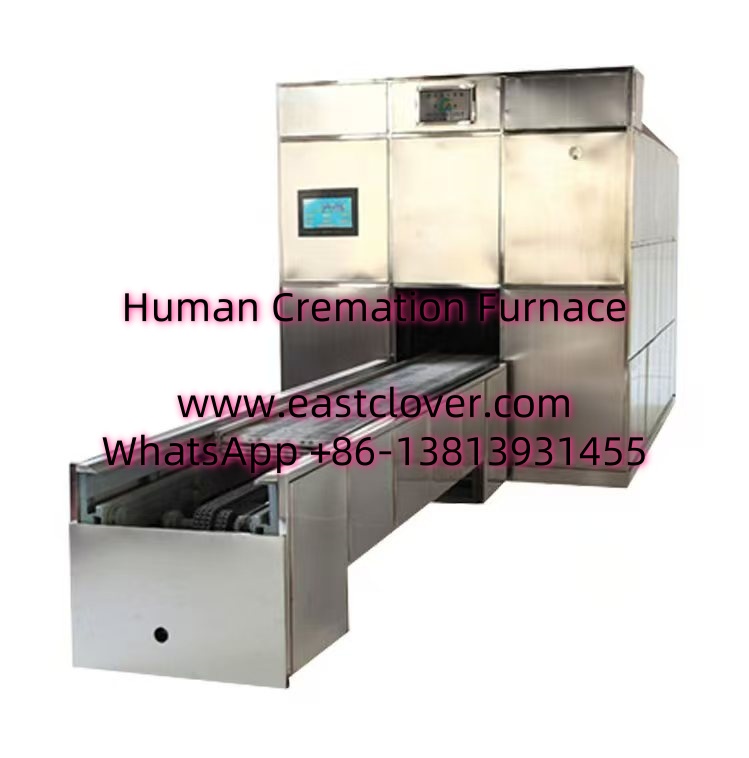
High-efficiency cremation systems are engineered with precision to meet stringent performance and regulatory standards. Key components include:
- Primary Combustion Chamber: Constructed from refractory materials, this chamber withstands temperatures exceeding 1,600°F (870°C) to ensure complete decomposition of organic matter.
- Secondary Combustion Chamber: This chamber further breaks down particulate matter and gases, reducing emissions through controlled afterburning at temperatures up to 2,000°F (1,100°C).
- Emission Control Systems: Advanced filters, scrubbers, and catalytic converters neutralize harmful pollutants like mercury, dioxins, and particulate matter.
- Automated Control Panels: Digital interfaces allow operators to monitor temperature, airflow, and combustion efficiency in real time, ensuring consistent performance.
- Cooling and Ash Handling Systems: Post-combustion, rapid cooling mechanisms and automated ash collection streamline the process while minimizing manual intervention.
Advancements in Modern Cremation Technology
1. Dual-Chamber Systems
Modern cremators often feature dual-chamber designs that separate primary and secondary combustion. This configuration enhances fuel efficiency and reduces emissions by ensuring complete combustion of organic and inorganic materials.
2. Alternative Fuel Sources
Natural gas and propane remain common, but innovations like biofuel-compatible systems and electric cremators are gaining traction. Electric models, though energy-intensive, produce zero direct emissions, aligning with net-zero goals.
3. Energy Recovery Systems
Waste heat from cremation is increasingly repurposed to power facility heating or electricity generation. This closed-loop approach reduces operational costs and environmental footprints.
4. IoT and AI Integration
Internet of Things (IoT) sensors and artificial intelligence (AI) optimize combustion parameters in real time. Predictive maintenance algorithms also minimize downtime by alerting operators to potential equipment issues.
5. Mercury Abatement Technologies
Specialized filters and catalytic converters target mercury emissions from dental amalgams, ensuring compliance with regulations like the EPA’s Mercury and Air Toxics Standards (MATS).
Environmental Considerations
Modern cremation equipment addresses environmental concerns through:
- Reduced Carbon Footprint: High-efficiency burners and energy recovery systems lower CO2 emissions per cremation.
- Emission Control: Advanced scrubbing systems capture up to 99% of particulate matter and neutralize acidic gases.
- Sustainable Materials: Refractory linings made from recycled materials extend equipment lifespan while reducing waste.
Choosing the Right Cremation Equipment
When selecting cremation systems, facilities should consider:
- Throughput capacity and scalability
- Compliance with local and international emissions standards
- Energy efficiency and operational costs
- Manufacturer support and maintenance services
www.southclover.com
The cremation industry has undergone a technological revolution, driven by the need for sustainability, efficiency, and regulatory compliance. Modern incineration equipment not only meets these demands but also sets new benchmarks for environmental stewardship. As innovations like AI-driven optimization and alternative fuels continue to emerge, the future of cremation promises even greater precision and reduced ecological impact.
FAQs
1. How long does a modern cremation process take?
High-efficiency systems complete the process in 1.5–3 hours, depending on the equipment and body mass.
2. Are cremation emissions harmful to the environment?
Advanced filtration systems in modern cremators neutralize over 99% of pollutants, making them compliant with strict environmental regulations.
3. What is the lifespan of a cremation incinerator?
With proper maintenance, modern cremators can operate efficiently for 15–20 years.
4. Can cremation equipment handle medical implants or prosthetics?
Yes. Post-cremation, non-combustible materials like titanium implants are safely separated from ashes using magnetic or manual sorting.
5. How do energy recovery systems work in cremators?
Excess heat is captured via heat exchangers and repurposed for heating water, generating electricity, or warming facility spaces.
Comments are closed