Mass Fatality Management Challenges in Sub-Saharan Africa
Sub-Saharan Africa faces unique challenges in managing mass fatalities caused by disasters, disease outbreaks, and conflicts. Limited infrastructure, including inadequate mortuary facilities, insufficient cold storage, and unreliable transportation networks, exacerbates the risk of public health crises during such events. Traditional burial practices, which are culturally significant in many communities, can also clash with urgent needs for safe and rapid remains disposal during emergencies.
Portable Container Cremation Furnaces: A Innovative Solution
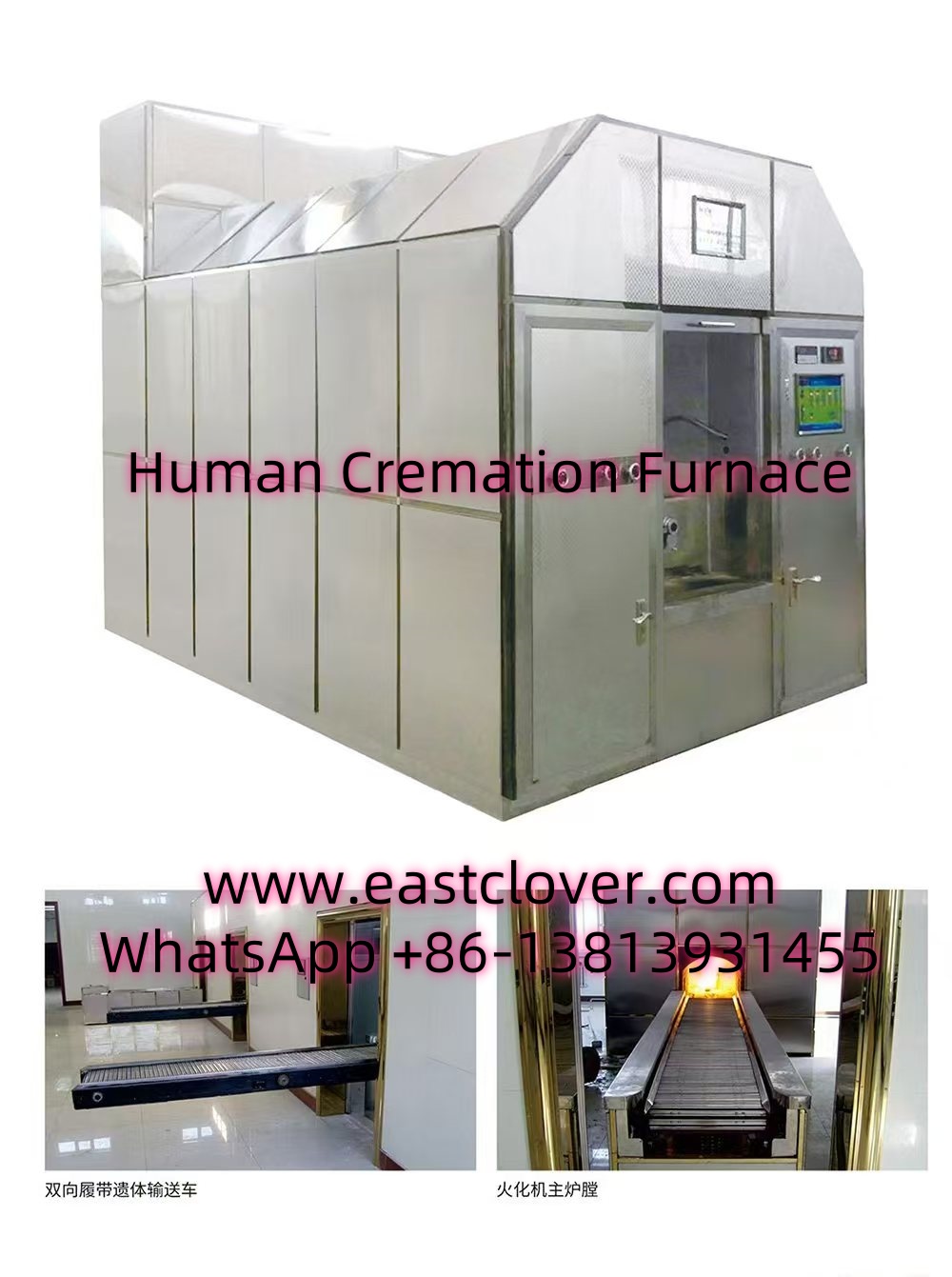
Portable container cremation furnaces are modular, transportable systems designed for efficient and respectful remains management. Housed within shipping containers, these units can be rapidly deployed to disaster zones or remote areas. Key features include:
- Mobility: Easily transported via truck, ship, or aircraft.
- High Capacity: Capable of processing 10–20 bodies daily, depending on the model.
- Fuel Efficiency: Use diesel, LPG, or biomass, adapting to local fuel availability.
- Emission Controls: Filters minimize particulate matter and pollutants.
- Cultural Sensitivity: Configurable to accommodate religious or community customs.
Bridging Infrastructure Gaps
In regions lacking permanent crematoriums or refrigeration, these systems provide immediate responses to mortality surges. For example, during the COVID-19 pandemic, African nations like South Africa and Nigeria struggled with overwhelmed mortuaries. Portable furnaces could have alleviated pressure by offering decentralized processing. Additionally, their modular design allows scalability—multiple units can be linked to handle large-scale crises.
Case Studies and Applications
Ebola Outbreaks (2014–2016)
West African countries like Liberia and Sierra Leone faced challenges safely disposing of Ebola victims. Portable cremation systems reduced infection risks by enabling on-site remains management.
Conflict Zones
In areas like the Lake Chad Basin, where Boko Haram insurgencies cause mass casualties, mobile units offer a dignified way to manage fatalities without relying on unstable infrastructure.
Challenges and Considerations
- Cultural Resistance: Some communities may prefer traditional burials. Community engagement is critical.
- Logistics: Fuel and spare parts must be locally accessible.
- Training: Operators require training on safety and cultural protocols.
- Environmental Compliance: Emissions must meet local regulations to avoid air quality issues.
www.southclover.com
Portable container cremation furnaces address critical gaps in Sub-Saharan Africa’s mass fatality management infrastructure. By combining mobility, efficiency, and adaptability, they provide a pragmatic solution for emergencies while respecting cultural values. Investment in these systems, alongside community education and logistical planning, could save lives and mitigate secondary crises during disasters.
Frequently Asked Questions
How do portable cremation furnaces work?
Bodies are placed in a combustion chamber, where high temperatures (760–1100°C) reduce remains to ashes. Filters capture harmful emissions.
Are they culturally acceptable in communities preferring burial?
Sensitization campaigns and involving local leaders are essential. Some units allow families to collect ashes for traditional rites.
What is the cost of a portable cremation furnace?
Prices range from $50,000 to $150,000, depending on capacity and features. However, they are cost-effective compared to building permanent facilities.
Can these units operate off-grid?
Yes. Solar-powered models and biomass compatibility make them suitable for remote areas.
How long does setup take?
Deployment requires 24–48 hours, including assembly and safety checks.
Comments are closed