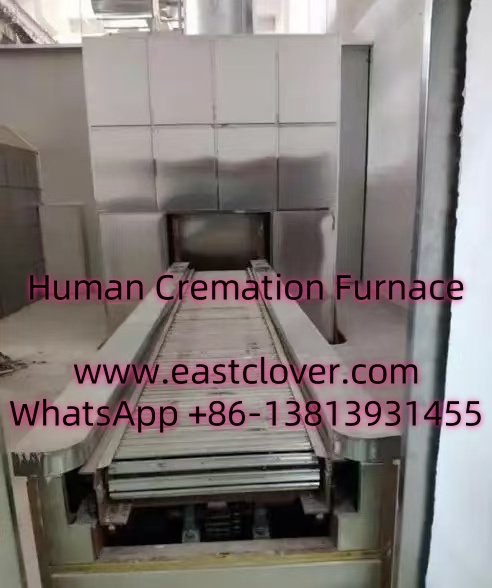
In recent years, Africa has faced unprecedented public health challenges, including infectious disease outbreaks such as Ebola, cholera, and COVID-19. These crises have underscored the urgent need for efficient and dignified management of fatalities to prevent secondary transmission risks, environmental contamination, and social disruption. Traditional burial practices, deeply rooted in cultural and religious norms, have often clashed with emergency health protocols requiring rapid and safe body disposal. In response, emergency cremation furnaces have emerged as a critical infrastructure for crisis response across the continent.
Public Health Crises and the Demand for Safe Body Disposal
Epidemics in Africa often strain existing healthcare systems, particularly in resource-limited settings. During outbreaks of highly contagious diseases like Ebola, handling deceased bodies becomes a high-risk activity. Pathogens can persist in bodily fluids, and traditional burial practices involving washing or touching the deceased increase transmission risks. For example, during the 2014–2016 Ebola outbreak in West Africa, unsafe burial practices accounted for up to 20% of new infections.
Challenges with Traditional Methods
- Cultural Resistance: Many communities oppose cremation due to beliefs about ancestral connections and burial rites.
- Logistical Constraints: Remote areas lack infrastructure for immediate burials, leading to delays and decomposition.
- Environmental Hazards: Mass graves can contaminate groundwater, posing long-term health risks.
Emergency Cremation Furnaces: A Solution for Crisis Management
Emergency cremation furnaces are designed to operate swiftly, safely, and at scale during epidemics. These systems prioritize:
- Rapid Deployment: Modular units can be transported and assembled in disaster zones within hours.
- High Capacity: Some models process dozens of bodies daily, reducing backlog.
- Infection Control: Closed-loop systems minimize exposure to pathogens and emissions.
Case Studies: Ebola and COVID-19
West Africa (2014–2016): NGOs and governments deployed mobile cremation units in Guinea and Sierra Leone to curb Ebola spread. While initially met with resistance, community engagement helped integrate cremation into response plans.
South Africa (2020–2022): During COVID-19’s peak, facilities in Gauteng province adopted cremation to manage overflow mortuaries. Hybrid solutions allowed families to hold symbolic rites post-cremation.
Sociocultural Considerations and Community Engagement
Implementing cremation requires sensitivity to local customs. Successful programs often include:
- Dialogue with community leaders to explain public health imperatives.
- Adaptations like returning ashes for traditional ceremonies.
- Training local teams to operate furnaces, fostering trust.
Technological Innovations and Sustainability
Modern furnaces use sustainable designs, such as:
- Clean Energy: Solar-powered incinerators reduce reliance on scarce fuels.
- Emission Controls: Filters capture particulate matter and pathogens.
- Cost-Effective Models: Low-cost units made from recycled materials benefit rural areas.
www.southclover.com
The adoption of emergency cremation furnaces in Africa reflects a pragmatic shift in crisis response, balancing public health needs with cultural respect. While challenges persist, partnerships between governments, NGOs, and communities have proven essential. Moving forward, investing in adaptable, eco-friendly technologies and fostering inclusive dialogue will strengthen resilience against future epidemics.
Frequently Asked Questions (FAQs)
Why is cremation necessary during epidemics?
Cremation reduces the risk of disease transmission by safely disposing of infected remains, especially when traditional burials involve close contact with the deceased.
Are cremation practices accepted in all African communities?
Not universally. Cultural and religious beliefs often favor burial. Successful implementation depends on community engagement and compromise, such as allowing symbolic rituals.
How do emergency furnaces differ from regular crematories?
They are portable, faster to deploy, and designed for high-volume processing under resource constraints. Many prioritize energy efficiency and emission control.
What environmental concerns are associated with cremation?
Traditional cremation releases CO2 and pollutants. Modern furnaces address this with filters, renewable energy, and improved combustion efficiency.
Who oversees the deployment of emergency cremation units?
Coordinated efforts involve national health ministries, international bodies like WHO, and NGOs such as Médecins Sans Frontières.
Comments are closed