Introduction
Urban centers face unprecedented challenges in managing mass fatality events, whether caused by pandemics, natural disasters, or industrial accidents. Traditional mortuary systems often become overwhelmed during such crises, leading to delays in dignified remains management and potential public health risks. In response, cities are increasingly turning to specialized infrastructure, such as emergency cremation furnaces, to modernize their disaster preparedness. These systems are designed to handle surges in fatalities while adhering to environmental, ethical, and cultural standards, ensuring cities remain resilient in the face of tragedy.
The Evolution of Cremation Technology
Traditional cremation furnaces, while effective under normal circumstances, lack the scalability and mobility required for emergencies. Modern emergency cremation systems prioritize rapid deployment, high throughput, and environmental compliance. Innovations include:
- Modular Designs: Prefabricated units that can be quickly assembled in strategic locations.
- Advanced Emissions Control: Multi-stage filtration systems to minimize particulate matter and harmful gases.
- Automated Operation: Reduced reliance on manual labor, critical during staff shortages.
These advancements enable cities to process remains efficiently while maintaining dignity and safety.
Design and Functionality of Emergency Cremation Furnaces
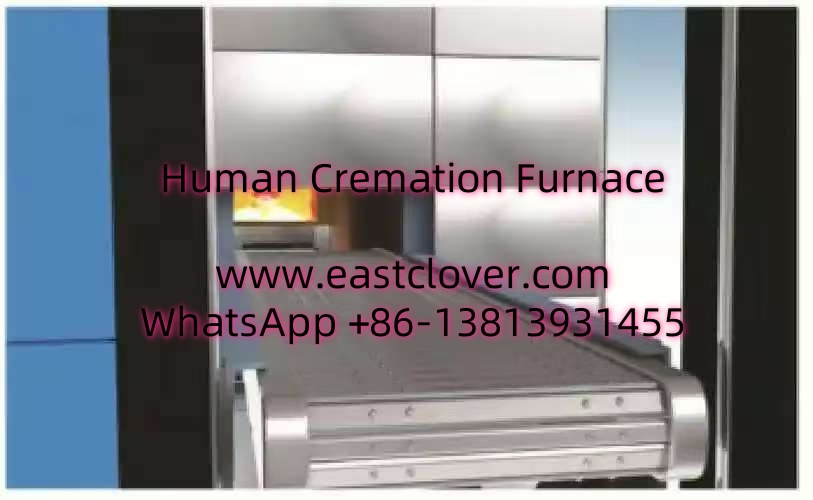
Emergency cremation furnaces are engineered for crisis scenarios. Key features include:
- High Capacity: Capable of processing 10–20 bodies per hour, compared to 2–4 in standard systems.
- Mobility: Transportable units that can be deployed to disaster zones or temporary mortuaries.
- Energy Efficiency: Use of alternative fuels (e.g., natural gas, electricity) to reduce operational costs.
- Compliance: Adherence to international safety standards (e.g., EPA, EU directives) for emissions and waste management.
Such systems often integrate with digital platforms for real-time tracking of remains, ensuring accountability for families and authorities.
Urban Planning and Integration
Incorporating emergency cremation infrastructure into urban resilience plans requires strategic foresight. Considerations include:
- Location: Proximity to hospitals, transportation hubs, and emergency response centers.
- Scalability: Modular systems that can expand capacity as needed.
- Collaboration: Partnerships with funeral homes, government agencies, and NGOs to streamline operations.
Cities like New York and Mumbai have adopted such frameworks, leveraging temporary cremation sites during COVID-19 to alleviate overwhelmed facilities.
Ethical and Cultural Considerations
Mass cremation raises sensitive ethical and cultural questions. Solutions include:
- Religious Accommodations: Facilities designed to accommodate diverse rituals (e.g., separate spaces for Hindu, Muslim, or secular practices).
- Transparency: Clear communication with communities to build trust and mitigate stigma.
- Worker Support: Mental health resources for personnel handling traumatic workloads.
Balancing efficiency with compassion remains central to ethical emergency response.
Case Studies: Learning from Past Events
COVID-19 Pandemic (2020–2023)
During the pandemic, cities like Delhi and Bergamo faced cremation backlogs, prompting the rapid installation of portable furnaces in parking lots and public parks. These measures, though controversial, prevented systemic collapse.
Natural Disasters
After the 2011 Tōhoku earthquake, Japan utilized mobile cremation units to manage fatalities while respecting cultural norms around burial.
www.southclover.com
Emergency cremation furnaces represent a critical advancement in urban disaster preparedness. By combining technological innovation with ethical foresight, cities can honor the deceased, protect public health, and foster community resilience. As climate change and globalization increase the likelihood of mass fatality events, investing in these systems is no longer optional—it is a moral imperative.
FAQs
How do emergency cremation furnaces differ from regular ones?
They are designed for rapid deployment, higher capacity, and stricter emissions control to handle surges in fatalities during crises.
Are these furnaces environmentally safe?
Yes. Modern systems use advanced filters to reduce pollutants, complying with international environmental standards.
How do cities address cultural sensitivities?
Facilities often include multi-faith spaces and work with community leaders to ensure respectful handling of remains.
Can these units operate in remote areas?
Many are transportable and can function off-grid, making them suitable for disaster zones with limited infrastructure.
What happens to the furnaces after an emergency?
They can be disassembled, stored, or repurposed for non-emergency use, depending on municipal needs.
Comments are closed