Introduction
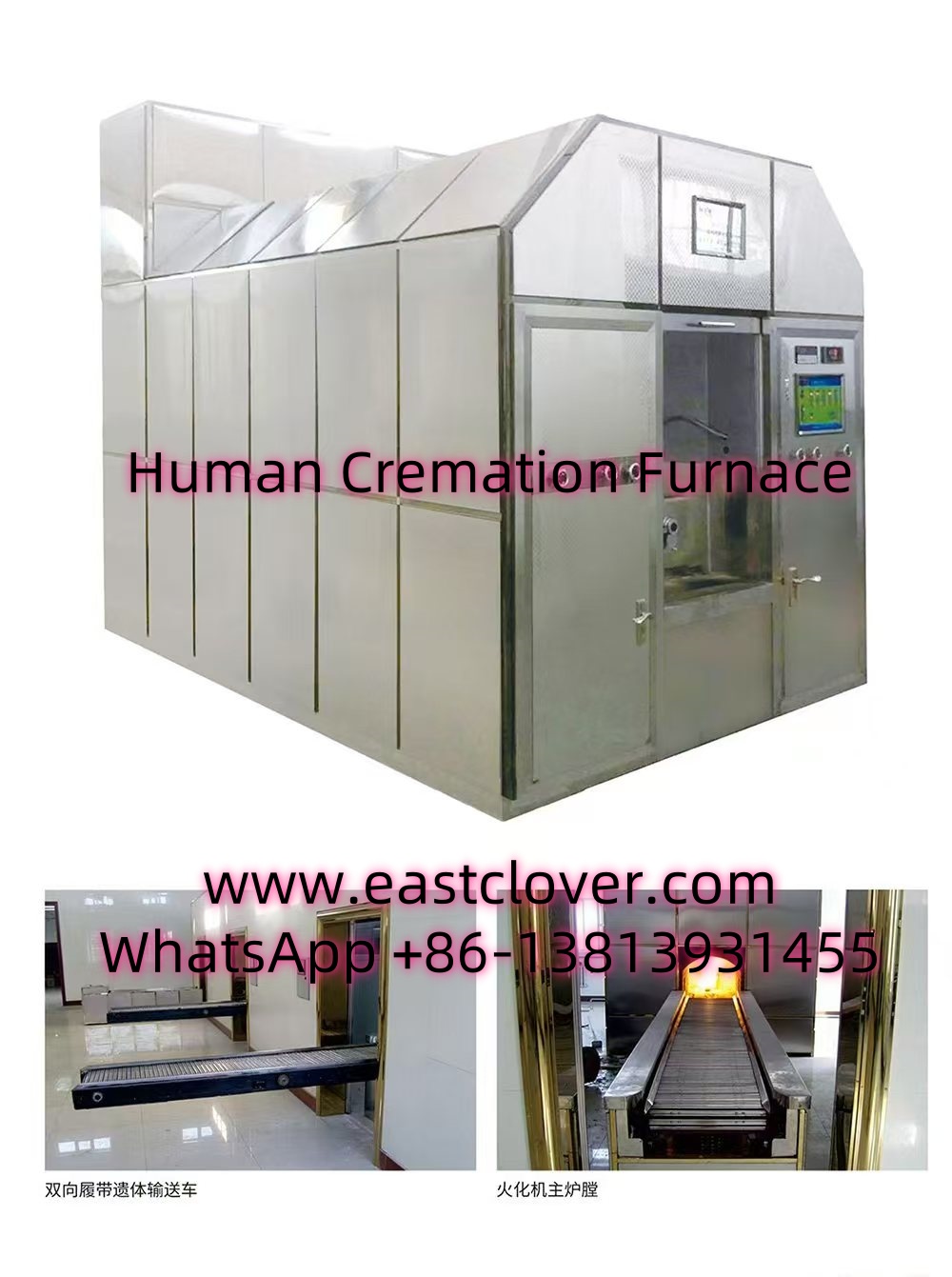
Modern human cremation incinerators represent a significant evolution in end-of-life practices, blending advanced technology with environmental stewardship. As societies increasingly prioritize sustainability, the cremation industry has responded with innovations that reduce emissions, improve energy efficiency, and minimize ecological footprints. This news explores the technological advancements and environmental considerations shaping today’s cremation systems.
Environmental Focus in Modern Cremation
Emissions Control
Traditional cremation processes were criticized for releasing pollutants such as carbon dioxide, mercury (from dental amalgams), and particulate matter. Modern incinerators address these issues through:
- Advanced Filtration Systems: Multi-stage filters, including scrubbers and electrostatic precipitators, capture harmful particulates and gases.
- Mercury Abatement: Activated carbon filters and specialized catalysts neutralize mercury emissions, complying with strict regulations like the EPA’s Mercury and Air Toxics Standards (MATS).
- Low-NOx Burners: Reduce nitrogen oxide emissions by optimizing combustion temperatures and airflow.
Energy Efficiency
Newer cremators are designed to recover and reuse heat, lowering energy consumption. Features include:
- Heat Recovery Systems: Excess heat is redirected to preheat incoming air or support facility heating.
- Insulation Improvements: High-grade refractory materials retain heat, reducing fuel requirements.
Sustainable Practices
Many facilities now adopt eco-friendly protocols, such as:
- Using biodegradable urns or offering tree-planting memorials to offset carbon footprints.
- Transitioning to renewable energy sources like solar or biogas to power cremation units.
Technological Advancements
Automation and Precision
Modern cremators integrate digital controls and sensors to optimize performance:
- Real-Time Monitoring: Sensors track temperature, emissions, and combustion efficiency, adjusting parameters automatically.
- Remote Operation: Operators can manage cremators via software, improving safety and consistency.
Alternative Cremation Methods
Innovative technologies are emerging as alternatives to flame-based cremation:
- Alkaline Hydrolysis (Water Cremation): Uses water, heat, and alkaline chemicals to break down remains, producing fewer emissions and using less energy.
- Bio-Cremation: A hybrid process combining low-temperature combustion with organic decomposition.
Material Recovery
Advanced systems now recover metals from cremated remains more efficiently, recycling materials like titanium (from medical implants) to reduce waste.
www.southclover.com
The modernization of cremation technology reflects a growing alignment between funeral practices and environmental responsibility. By leveraging cutting-edge filtration, energy recovery, and alternative methods, the industry is reducing its ecological impact while meeting societal demands for sustainability. As research continues, future innovations may further redefine how we approach end-of-life ceremonies in harmony with the planet.
FAQs
Is cremation environmentally friendly?
Modern cremation systems significantly reduce emissions and energy use compared to older models. However, sustainability depends on the technology used and facility practices, such as renewable energy adoption.
What happens to medical implants during cremation?
Metals like titanium or pacemakers are recovered post-cremation and recycled. Facilities often partner with specialized recycling programs to handle these materials responsibly.
How does alkaline hydrolysis compare to traditional cremation?
Alkaline hydrolysis uses less energy, emits no direct greenhouse gases, and leaves a smaller carbon footprint. However, it is not yet widely available due to regulatory and cultural factors.
Are cremation emissions regulated?
Yes. In many countries, crematories must comply with strict air quality standards, such as the EPA’s MATS in the U.S. or the EU’s Industrial Emissions Directive.
Comments are closed