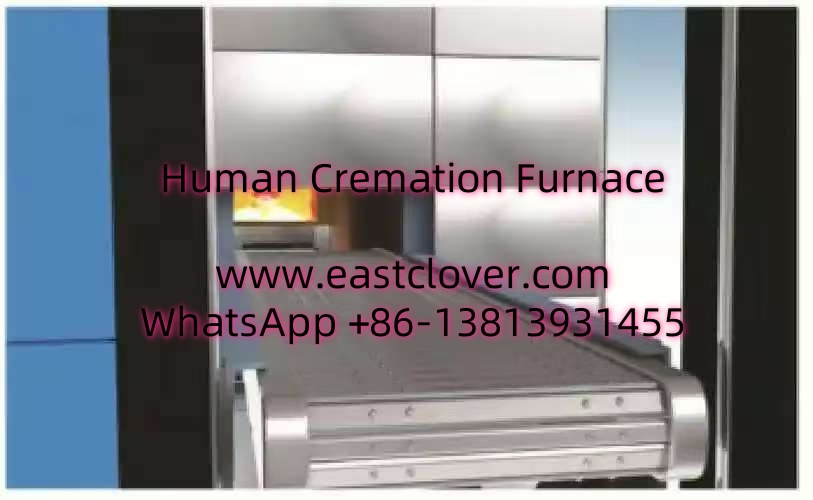
Understanding Cremation Furnaces
A cremation furnace, also known as a cremator or retort, is a specialized industrial oven designed to safely and efficiently reduce human remains to bone fragments through high-temperature combustion. Modern cremation furnaces are engineered to meet strict environmental, operational, and ethical standards, making them a critical investment for funeral homes offering cremation services.
Key Components of a Cremation Furnace
- Combustion Chamber: The primary chamber where the cremation process occurs, typically lined with refractory bricks to withstand temperatures up to 1,800°F (982°C).
- Afterburner/Secondary Chamber: Ensures complete combustion of gases and particulates to minimize emissions.
- Control Panel: A digital interface for monitoring temperature, airflow, and cycle duration.
- Loading System: Manual or automated mechanisms for placing remains into the chamber.
- Cooling and Ash Processing: Systems to cool bone fragments and prepare them for final processing into ashes.
Types of Cremation Furnaces
- Traditional Gas-Powered Furnaces: Use natural gas or propane; most common due to efficiency and cost-effectiveness.
- Electric Furnaces: Eco-friendly but often slower and more expensive to operate.
- Dual-Chamber Systems: Allow simultaneous cremations, ideal for high-volume facilities.
- Green Cremation Technologies: Include alkaline hydrolysis (water cremation) or bio-cremation, which use water and chemicals instead of flame.
How to Choose the Right Cremation Furnace
Selecting a cremation furnace requires careful evaluation of your funeral home’s needs, budget, and long-term goals. Below are key factors to consider:
1. Volume and Capacity
Assess your average monthly cremation volume. Smaller funeral homes may opt for single-chamber units, while high-volume providers should consider dual-chamber or modular systems. Ensure the furnace’s capacity aligns with peak demand periods.
2. Fuel Type and Operating Costs
Gas-powered furnaces are cost-effective for most operations, but electric or green alternatives may suit eco-conscious businesses. Calculate long-term fuel costs, including maintenance and potential regulatory fees for emissions.
3. Environmental Compliance
Modern furnaces must meet EPA (U.S.) or EU emissions standards. Look for features like secondary combustion chambers, scrubbers, and filters to reduce particulate matter, mercury, and dioxins.
4. Automation and Technology
Advanced control panels with programmable settings improve efficiency and reduce human error. Automated loading systems and real-time diagnostics can streamline operations for busy facilities.
5. Space and Installation Requirements
Measure your facility’s available space, including ventilation and utility access. Retrofitting older buildings may require structural modifications.
6. Vendor Reputation and Support
Choose a manufacturer with a proven track record. Inquire about warranties, training programs, and availability of replacement parts. On-site service agreements are critical for minimizing downtime.
7. Budget and Financing
Cremation furnaces range from $80,000 to $300,000+ depending on size and features. Explore leasing options or grants for eco-friendly upgrades.
Step-by-Step Selection Process
- Conduct a needs assessment based on your service volume and goals.
- Research manufacturers and request quotes.
- Visit showrooms or operational facilities to observe models in action.
- Verify compliance with local and federal regulations.
- Negotiate pricing, warranties, and service agreements.
- Plan for staff training and facility modifications.
www.southclover.com
Investing in a cremation furnace is a significant decision that impacts your funeral home’s operational efficiency, environmental footprint, and client satisfaction. By prioritizing capacity, compliance, and long-term support, you can select a system that meets both current needs and future growth. Stay informed about emerging technologies, such as green cremation methods, to remain competitive in an evolving industry.
FAQs
How much does a cremation furnace cost?
Prices range from $80,000 for basic single-chamber units to over $300,000 for high-capacity or eco-friendly models. Financing and leasing options are often available.
How long does a cremation cycle take?
Typically 2–3 hours, depending on body weight and furnace type. Cooling and processing add another 1–2 hours.
Are cremation furnaces environmentally safe?
Modern furnaces with secondary chambers and filters significantly reduce emissions. Green alternatives like alkaline hydrolysis produce no direct emissions.
Can I retrofit an older furnace to meet new regulations?
Some upgrades, like adding afterburners or scrubbers, may be possible. Consult your manufacturer to assess feasibility.
How often is maintenance required?
Annual professional inspections are recommended, with monthly checks of burners, seals, and filters. High-use facilities may need quarterly servicing.
Comments are closed