Introduction to Mass Fatality Management and Cremation Technology
In the face of pandemics, natural disasters, armed conflicts, or large-scale accidents, managing mass fatalities presents significant logistical, ethical, and environmental challenges. Traditional burial methods often become impractical due to space constraints, public health risks, and emotional strain on affected communities. Industrial-grade human cremation furnaces have emerged as a critical solution, enabling dignified, efficient, and safe handling of remains during crises. Recent innovations in high-capacity cremation technology further enhance their role in modern disaster response, offering scalability, sustainability, and precision.
Industrial-Grade Cremation Furnaces: Design and Functionality
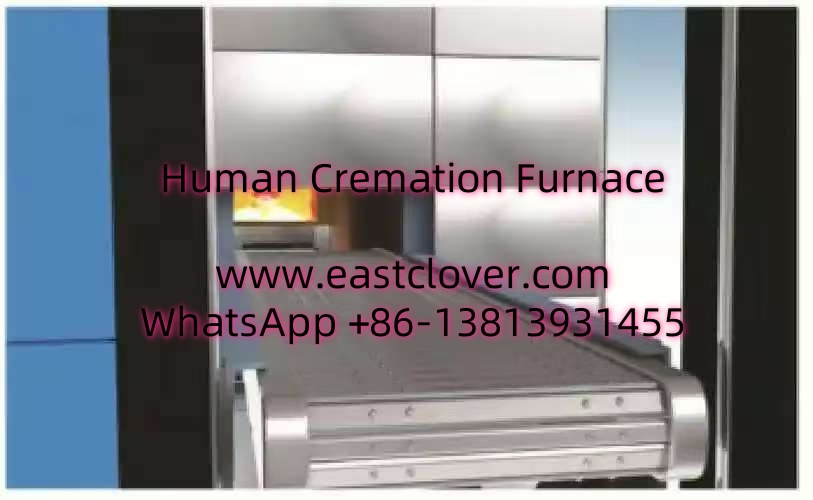
Industrial cremation furnaces are engineered to process large volumes of human remains rapidly while adhering to strict environmental and safety standards. Unlike traditional crematories designed for individual use, these systems prioritize throughput, durability, and automation.
Key Components
- Combustion Chambers: Built from refractory materials to withstand temperatures exceeding 1,000°C (1,832°F).
- Fuel Systems: Utilize natural gas, propane, or electricity, with advanced models incorporating dual-fuel capabilities.
- Emissions Control: Multi-stage filters, scrubbers, and catalytic converters to reduce particulate matter, dioxins, and mercury emissions.
- Automated Loading/Unloading: Conveyor systems and robotic arms minimize human intervention, improving safety and efficiency.
Capacity and Efficiency
High-capacity models can process 50–200 bodies per day, depending on size and configuration. Heat recovery systems repurpose excess energy for facility heating or electricity generation, reducing operational costs.
Innovations in High-Capacity Cremation Technology
Recent advancements address environmental concerns, energy use, and operational flexibility, making these systems indispensable in crisis scenarios.
1. Automated and AI-Driven Systems
- AI algorithms optimize combustion parameters in real time, adjusting temperature and airflow for fuel efficiency.
- Robotic systems handle remains with precision, reducing physical labor and exposure risks.
2. Green Cremation Technologies
- Alkaline Hydrolysis: Water-based cremation (aquamation) offers a low-emission alternative, though adoption remains limited for mass scenarios.
- Carbon Capture: Experimental systems integrate CO2 sequestration to mitigate greenhouse gas output.
3. Modular and Mobile Units
Containerized furnaces can be rapidly deployed to disaster zones, operating independently of local infrastructure. These units include self-contained power, fuel, and emissions controls.
4. Digital Integration
- IoT sensors monitor performance metrics, enabling predictive maintenance.
- Blockchain-based tracking ensures chain-of-custody for remains, aiding identification and legal processes.
Benefits of Advanced Cremation Systems
- Rapid Response: Reduce backlog during crises, preventing public health hazards.
- Environmental Compliance: Meet stringent EU and EPA regulations on emissions.
- Dignity and Respect: Maintain humane treatment of remains through automated, standardized processes.
- Cost-Effectiveness: Lower long-term operational costs via energy recovery and reduced labor.
www.southclover.com
Industrial-grade cremation furnaces, enhanced by cutting-edge innovations, are revolutionizing mass fatality management. By combining scalability, sustainability, and sensitivity, these systems provide a pragmatic response to some of humanity’s most challenging scenarios. As climate change and global instability increase the likelihood of large-scale disasters, investing in advanced cremation technology will remain essential for safeguarding public health and upholding ethical standards.
FAQs
How do industrial cremation furnaces differ from traditional ones?
Industrial models prioritize high throughput, automation, and emissions control, whereas traditional crematories focus on individual services with lower daily capacity.
Are these systems environmentally safe?
Modern furnaces include advanced filtration and monitoring systems to minimize pollutants, often exceeding regulatory requirements.
What is the maximum capacity of an industrial cremation furnace?
High-end systems can process up to 200 bodies daily, depending on model size and configuration.
Can these furnaces operate in remote areas?
Yes, mobile and modular units are designed for deployment in disaster zones with limited infrastructure.
How do AI and IoT improve cremation processes?
AI optimizes fuel efficiency and combustion, while IoT enables real-time monitoring and predictive maintenance.
Comments are closed