The Growing Need for Modern Funeral Solutions in Abuja
Abuja, Nigeria’s capital city, is experiencing rapid urbanization, population growth, and infrastructural development. With limited land availability and evolving cultural practices, traditional burial methods are becoming less feasible. Funeral homes in the region are increasingly seeking innovative, space-sensitive solutions to meet the demands of modern families. Enter the mobile container cremation furnace—a groundbreaking technology that combines portability, efficiency, and environmental sustainability to address Abuja’s contemporary funeral needs.
What is a Mobile Container Cremation Furnace?
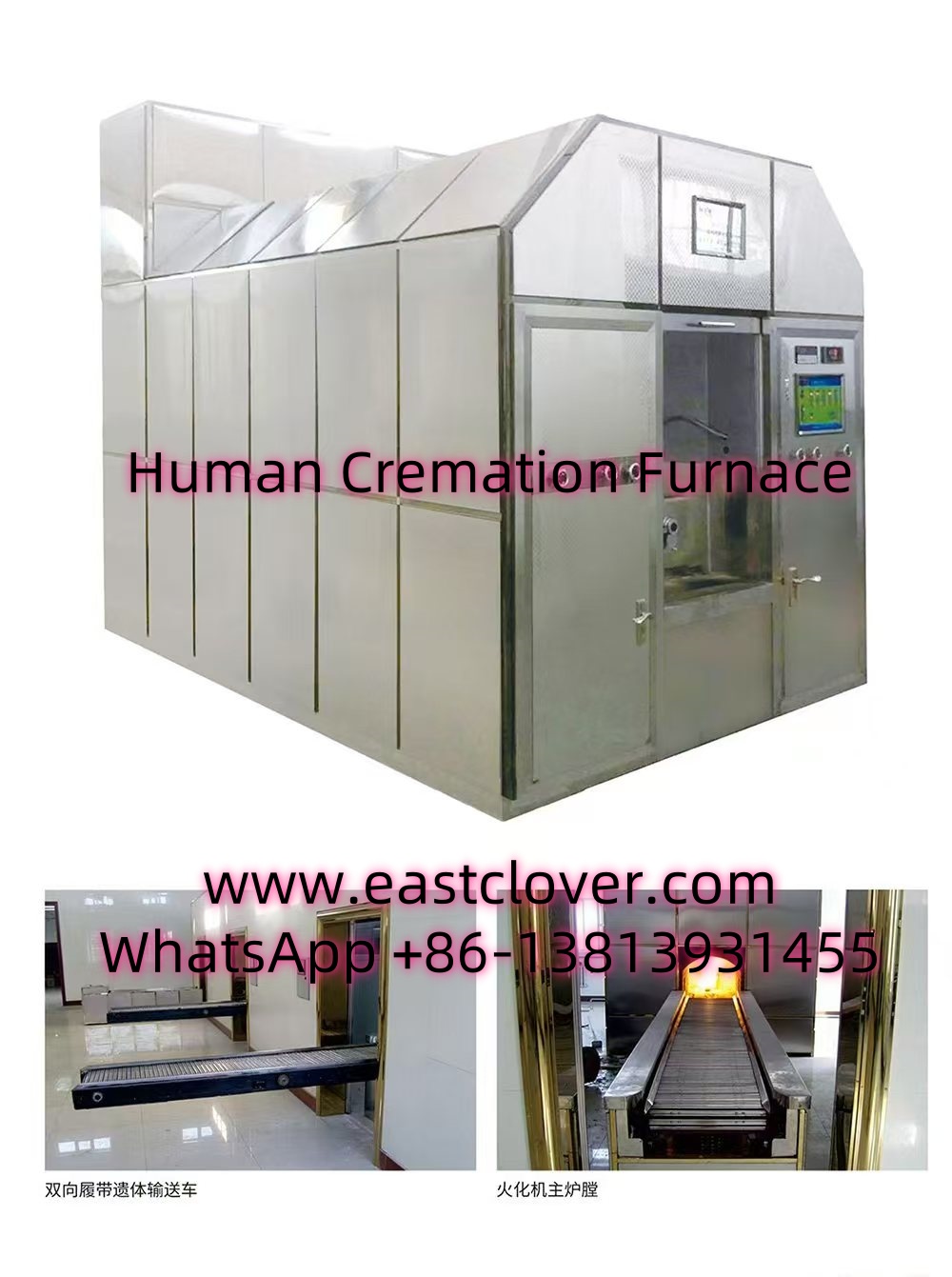
A mobile container cremation furnace is a self-contained, modular cremation system housed within a repurposed shipping container. Equipped with state-of-the-art combustion technology, emission control systems, and automation, it provides a full-service cremation solution that can be transported and deployed anywhere. These units are designed to operate independently, requiring only a power source and minimal setup, making them ideal for urban areas like Abuja where space is at a premium.
Key Features of Modern Mobile Cremation Units
- Portability: Easily transported via truck or rail to funeral homes, hospitals, or temporary sites.
- Compact Design: Fits within a 20- or 40-foot container, minimizing spatial footprint.
- Eco-Friendly: Advanced filters and scrubbers reduce emissions, ensuring compliance with environmental regulations.
- High Efficiency: Automated systems optimize fuel consumption and reduce cremation time.
- Versatility: Adaptable to various fuel types, including natural gas, propane, or electricity.
Why Abuja Funeral Homes Are Adopting Mobile Cremation
Space Constraints in Urban Areas
Abuja’s rising population and limited land resources make traditional burial grounds increasingly impractical. Mobile cremation units eliminate the need for large permanent facilities, allowing funeral homes to operate in densely populated areas without sacrificing service quality.
Cost-Effectiveness
Constructing a fixed crematorium involves significant upfront costs for land, permits, and infrastructure. Mobile units offer a scalable alternative, enabling businesses to start small and expand services as demand grows.
Cultural Shifts
As urbanization influences cultural norms, more families are opting for cremation due to its simplicity, affordability, and environmental benefits. Mobile units cater to this growing preference while respecting traditional ceremonies.
Disaster and Pandemic Readiness
Mobile cremation systems provide critical support during emergencies, such as disease outbreaks or natural disasters, by offering rapid, dignified processing of remains without overwhelming existing infrastructure.
Environmental and Regulatory Compliance
Modern mobile cremation furnaces are engineered to meet stringent environmental standards. Features like secondary combustion chambers and particulate filters minimize greenhouse gas emissions and particulate matter. In Abuja, where environmental regulations are tightening, these systems ensure funeral homes operate sustainably while reducing their ecological footprint.
www.southclover.com
Mobile container cremation furnaces represent a transformative solution for Abuja’s funeral industry, aligning with the city’s need for space-efficient, cost-effective, and eco-conscious services. By adopting this technology, funeral homes can stay competitive, responsive to cultural trends, and compliant with evolving regulations. As urbanization continues, mobile cremation is poised to become a cornerstone of modern funeral care in Abuja and beyond.
FAQs
How does a mobile cremation furnace work?
The unit uses high temperatures (1,400–1,800°F) to reduce remains to bone fragments, which are then processed into ashes. Automated systems manage the entire process, ensuring efficiency and safety.
Are mobile cremation units environmentally safe?
Yes. Advanced filtration systems capture harmful emissions, and energy-efficient designs reduce fuel consumption, making them eco-friendly alternatives to traditional methods.
Can these units handle multiple cremations per day?
Most mobile furnaces are designed for 1–2 cremations daily, depending on size and model. Larger units may offer higher capacity.
Is cremation culturally accepted in Abuja?
While burial remains prevalent, cremation is gaining acceptance, particularly among younger, urban populations and non-traditional families.
What permits are required to operate a mobile cremation unit?
Operators must comply with local environmental, health, and safety regulations. Specific permits vary by jurisdiction but often include emissions testing and operational licenses.
Comments are closed