Introduction
The COVID-19 pandemic exposed critical vulnerabilities in global healthcare infrastructure, particularly in managing mass fatalities. Traditional burial and cremation systems were quickly overwhelmed, leading to delayed body disposals, public health risks, and emotional distress for affected communities. In response, containerized mobile cremation incinerators emerged as a groundbreaking innovation, offering scalable, transportable, and efficient solutions to mitigate mortality crises during the pandemic.
The Challenge of Managing COVID-19 Fatalities
During COVID-19’s peak waves, mortality rates surged beyond the capacity of existing facilities. Morgues, cemeteries, and crematoriums faced backlogs, forcing governments to adopt emergency measures such as mass burials and temporary storage in refrigerated trucks. These stopgaps, however, raised concerns about dignity, environmental hazards, and disease transmission. The World Health Organization (WHO) emphasized the urgency of safe body management to prevent secondary infections, particularly in regions with limited infrastructure.
Containerized Mobile Cremation Incinerators: A Flexible Solution
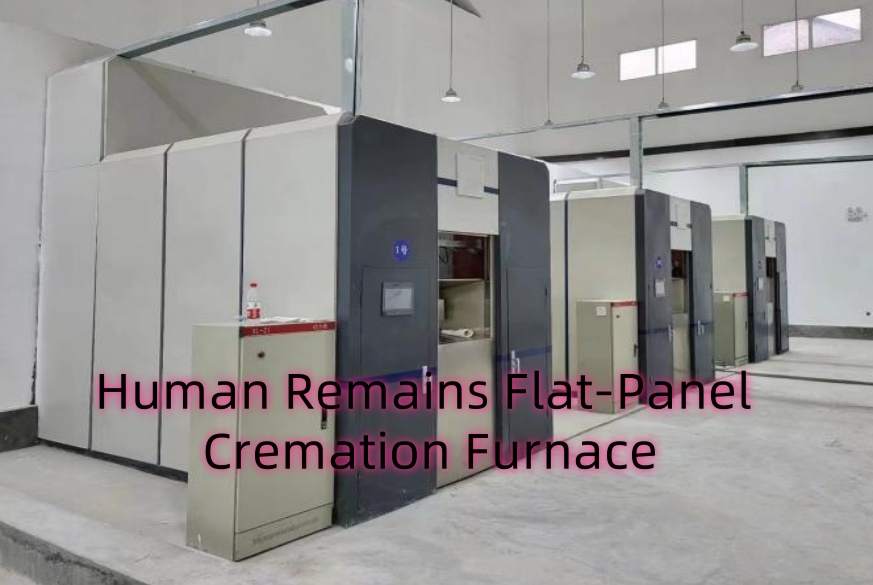
Containerized mobile cremation incinerators are self-contained units housed within standardized shipping containers. Designed for rapid deployment, they integrate combustion chambers, emission control systems, and automated controls to ensure efficient and eco-friendly operations. Key features include:
- Mobility: Easily transported by trucks, ships, or rail to crisis zones.
- Scalability: Multiple units can be linked to increase capacity.
- Compliance: Meet international emissions standards, reducing particulate matter and harmful gases.
- Dignity: Enable timely and respectful handling of remains, aligned with cultural practices.
These systems reduced pressure on overwhelmed facilities, offering a stopgap where permanent infrastructure was lacking.
Case Studies: Mobile Cremation in Action
India’s Delta Variant Surge (2021)
During India’s devastating second wave, cremation grounds in cities like Delhi and Mumbai operated around the clock, with pyres burning in parking lots and parks. Mobile incinerators were deployed to rural areas, where healthcare systems were ill-equipped to handle the spike in deaths. States like Uttar Pradesh and Gujarat utilized dozens of units to prevent logistical collapses.
South American Hotspots
In Peru and Brazil, governments partnered with private firms to install mobile units near hospitals. This minimized transportation delays and alleviated emotional trauma for families facing long wait times for funerals.
Technical and Operational Advantages
Modern containerized incinerators use dual-chamber designs to ensure complete combustion, reducing organic pollutants by up to 99%. Advanced scrubbers and filters capture toxic emissions, addressing concerns about air quality. Operators require minimal training, enabling local authorities to manage units independently. Additionally, their modular design allows integration with renewable energy sources, such as solar-powered auxiliary systems.
www.southclover.com
Containerized mobile cremation incinerators proved indispensable during the COVID-19 pandemic, offering a pragmatic response to unprecedented mortality challenges. By combining mobility, efficiency, and environmental safety, they not only curbed public health risks but also preserved human dignity in the face of catastrophe. As climate change and urbanization increase the likelihood of future pandemics and disasters, investing in such adaptive technologies will be crucial for global resilience.
FAQs
How do containerized mobile incinerators differ from traditional crematoriums?
They are portable, faster to deploy, and require no permanent infrastructure. Emissions controls are often more advanced to meet stricter environmental guidelines.
Are these incinerators environmentally safe?
Yes. They use filters and scrubbers to reduce pollutants like dioxins and particulate matter, complying with WHO and EPA standards.
Can they handle large volumes of remains?
A single unit can process 10–15 bodies per day. Deploying multiple units in parallel scales capacity as needed.
What cultural considerations are addressed?
Units can be adapted to accommodate religious rites, such as rapid cremation in Hinduism or avoiding cremation in Islam by supporting temporary burial solutions.
How cost-effective are they compared to permanent facilities?
While upfront costs are higher than open-air pyres, they reduce long-term environmental cleanup expenses and health risks.
Comments are closed