The Burial Space Crisis in Accra
Accra, Ghana’s bustling capital, faces a pressing challenge: the rapid depletion of burial space. With a population exceeding 2.5 million and limited land availability, traditional burial practices have become unsustainable. Cemeteries are overcrowded, and families often struggle to secure burial plots. This crisis is exacerbated by cultural norms that prioritize in-ground burials, which require significant land and contribute to environmental degradation. The situation has prompted the need for innovative solutions that balance cultural sensitivity, sustainability, and practicality.
Mobile Container Cremation Furnaces: A Modern Solution
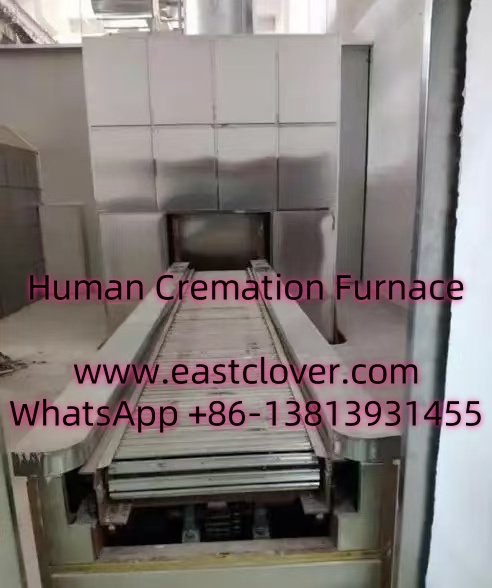
Mobile container cremation furnaces are emerging as a transformative answer to Accra’s burial woes. These modular, self-contained units are housed in repurposed shipping containers, making them portable and easy to deploy. Equipped with advanced combustion technology, they efficiently cremate human remains while minimizing environmental impact. Key features include:
- Portability: Units can be transported to communities, hospitals, or disaster sites.
- Eco-Friendly Design: Filters and scrubbers reduce harmful emissions by up to 90%.
- Energy Efficiency: Some models use biofuels or solar-assisted systems to cut fossil fuel reliance.
- Scalability: Multiple units can operate simultaneously during emergencies.
In Accra, these furnaces are being introduced through partnerships between the government, private firms, and NGOs. Pilot projects in districts like Ga East and Ashaiman have already demonstrated their potential to alleviate cemetery overcrowding.
Pioneering Sustainability Through Innovation
Mobile cremation furnaces address sustainability in three critical ways:
1. Land Conservation
By replacing traditional burials, these units save approximately 10 square meters of land per cremation. Over time, this could reclaim hundreds of hectares for urban development or green spaces.
2. Emission Reduction
Advanced filtration systems capture particulate matter and neutralize gases like carbon monoxide and mercury, ensuring compliance with WHO air quality standards.
3. Resource Efficiency
Heat recovery systems repurpose excess energy for community use, such as powering nearby facilities or heating water, creating a circular economy model.
Challenges and Cultural Considerations
Despite their benefits, mobile cremation furnaces face reluctance due to deep-rooted burial traditions. To bridge this gap, stakeholders are:
- Hosting community dialogues with religious and tribal leaders.
- Offering subsidized cremation services to low-income families.
- Incorporating ritual spaces near units for families to perform ceremonies.
Additionally, misconceptions about cremation’s environmental impact are being addressed through public education campaigns.
www.southclover.com
Mobile container cremation furnaces represent a pragmatic and sustainable response to Accra’s burial space crisis. By prioritizing environmental stewardship and adaptability, this innovation not only solves an urgent urban challenge but also sets a precedent for other cities grappling with similar issues. As Accra continues to modernize, embracing such solutions will be vital to ensuring a livable, equitable future for all residents.
FAQs
Are mobile cremation furnaces safe for the environment?
Yes. Modern units include filtration systems that meet international emission standards, drastically reducing pollutants compared to traditional open-air pyres.
How much does cremation cost in these units?
Costs are approximately 30-50% lower than conventional burials, with subsidies available for vulnerable populations.
Can families retain ashes for traditional rituals?
Absolutely. Ashes are returned in biodegradable urns, and some units offer ceremonial spaces for families to gather.
What happens during power outages?
Units are equipped with backup generators and solar batteries to ensure uninterrupted operation.
How long does the cremation process take?
Typically 1.5–2 hours per body, depending on the furnace model and size.
Comments are closed