Here’s the news in HTML format:
Introduction to Emergency Response and Mass Fatality Management
In the wake of natural disasters, pandemics, or large-scale accidents, managing mass fatalities presents significant logistical, ethical, and public health challenges. Traditional methods, such as temporary morgues or mass burials, often struggle to meet the demands of rapid response, dignity for the deceased, and prevention of disease spread. Enter the advanced mobile container cremation furnace—a groundbreaking innovation designed to revolutionize disaster response by providing rapid, scalable, and respectful solutions for mass fatality management.
Understanding Mobile Container Cremation Furnaces
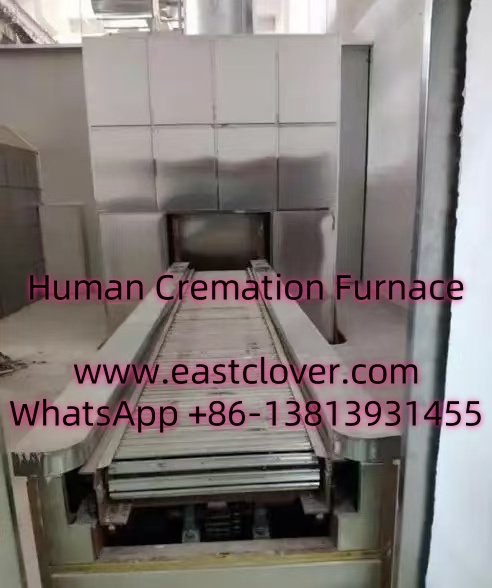
Mobile container cremation furnaces are self-contained, transportable units housed within standardized shipping containers. These systems integrate advanced combustion technology, emission control systems, and automation for efficient, high-throughput cremation. Key features include:
- Portability: Deployable via trucks, ships, or cargo planes to disaster zones within hours.
- Rapid Deployment: Pre-configured systems requiring minimal setup, even in areas with limited infrastructure.
- High Capacity: Capable of processing dozens of bodies daily, depending on model specifications.
- Eco-Friendly: Equipped with scrubbers and filters to minimize emissions and comply with environmental standards.
- Compliance: Aligns with WHO guidelines for safe and dignified handling of human remains.
How Mobile Cremation Furnaces Revolutionize Disaster Response
Speed and Efficiency
In emergencies like earthquakes or epidemics, delays in body disposal can exacerbate health risks and psychological trauma. Mobile units reduce processing time from days to hours, preventing the spread of pathogens and accelerating recovery efforts.
Preserving Dignity
These systems prioritize respectful treatment of remains through automated processes that reduce human contact, ensuring compliance with cultural and religious norms.
Scalability
Units can operate in tandem, scaling operations to match incident severity—critical in pandemics or wars where casualties may surge unpredictably.
Use Cases and Real-World Applications
- Natural Disasters: Rapid deployment after earthquakes, floods, or hurricanes to prevent decomposition-related health hazards.
- Pandemics: Managing overflow from overwhelmed medical facilities, as seen during COVID-19.
- Industrial Accidents: Containing biohazards in chemical spills or explosions.
- Conflict Zones: Safely managing casualties in war-torn regions with disrupted infrastructure.
- Refugee Crises: Addressing fatalities in overcrowded camps lacking sanitation.
Overcoming Challenges in Implementation
While mobile cremation furnaces offer transformative benefits, their adoption faces hurdles:
- Cost: Initial investment is high, though offset by long-term savings in crisis management.
- Cultural Sensitivities: Collaboration with local communities is essential to address concerns about cremation traditions.
- Training: Operators require specialized training for safe and ethical use.
- Logistical Coordination: Integration with government agencies and NGOs ensures seamless deployment.
www.southclover.com
The advent of mobile container cremation furnaces marks a paradigm shift in disaster response. By combining speed, scalability, and respect for the deceased, these systems address critical gaps in mass fatality management. As climate change and global pandemics increase the frequency of large-scale emergencies, investing in such innovations is not just prudent—it is a humanitarian imperative. Governments and organizations worldwide must prioritize adopting and standardizing these technologies to safeguard public health and uphold human dignity in crises.
FAQs
Are mobile cremation furnaces environmentally safe?
Yes. Modern units include filtration systems to reduce emissions, meeting strict environmental regulations.
How quickly can a unit be operational?
Most systems are functional within 1-2 hours of arrival, depending on site preparation.
What cultural considerations are addressed?
Designs accommodate religious rites, such as separate chambers for different faiths or modular setups for private ceremonies.
Can these units handle biological hazards?
Absolutely. High-temperature incineration neutralizes pathogens, making them ideal for biohazard scenarios.
What is the cost range for a mobile cremation furnace?
Prices vary from $200,000 to $500,000, contingent on capacity and features.
This HTML-structured news provides a comprehensive overview of mobile container cremation furnaces, their benefits, applications, and challenges, followed by a conclusion and FAQs. The content emphasizes technical details, real-world relevance, and ethical considerations while adhering to readability and logical flow.
Comments are closed