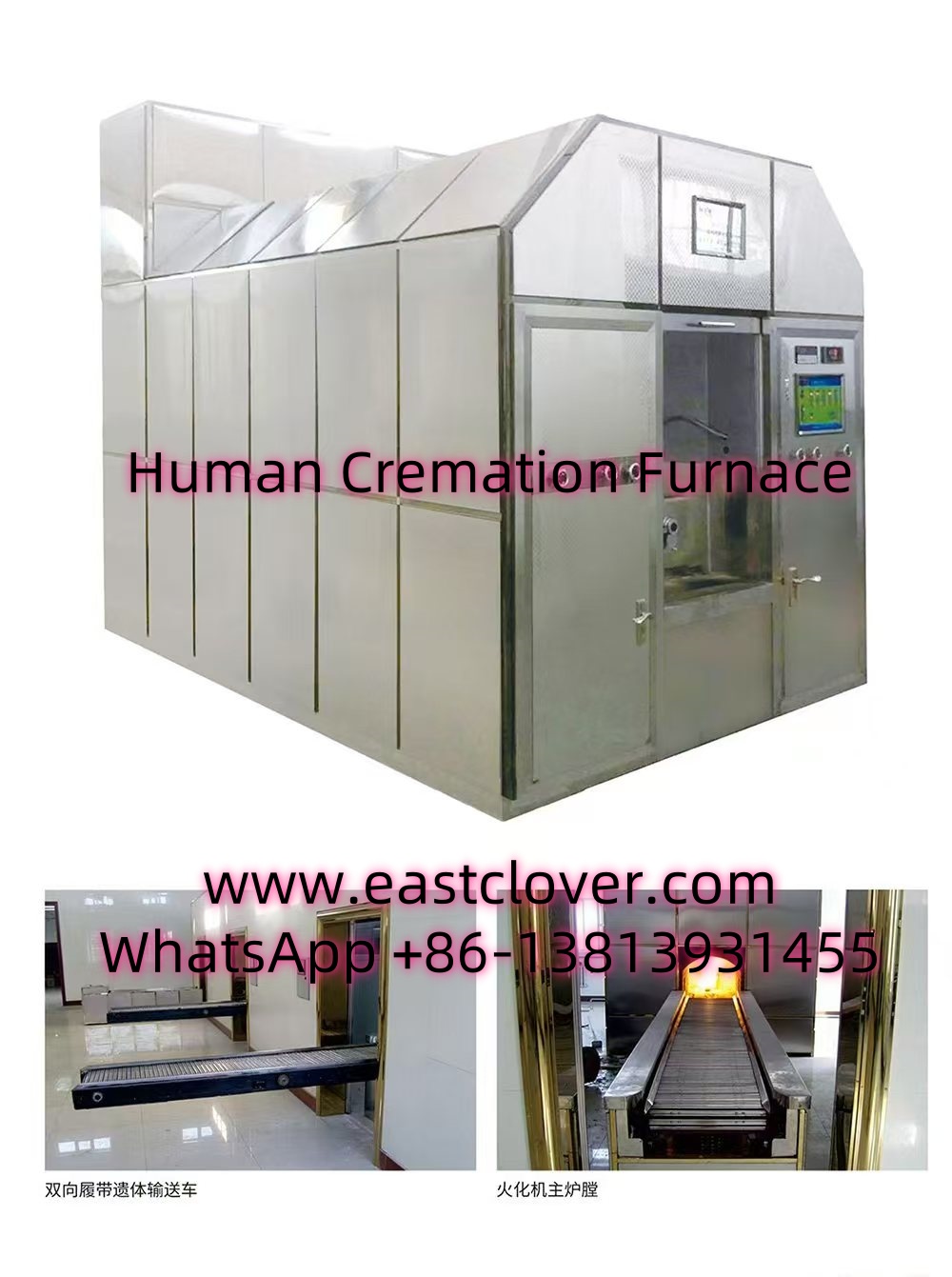
The Evolution of Cremation Technology
The funeral industry is undergoing a transformative shift as innovation meets tradition. Mobile cremation furnaces equipped with digital control systems and remote monitoring capabilities are redefining how end-of-life services are delivered. These advanced systems combine portability, precision, and connectivity to address growing demands for sustainability, accessibility, and personalization.
What is a Mobile Cremation Furnace?
Unlike traditional stationary crematories, mobile cremation furnaces are compact, transportable units designed to operate in diverse locations. They integrate three core components:
- Mobility: Mounted on trailers or vehicles, these furnaces can be deployed to remote areas, disaster zones, or temporary facilities.
- Digital Control Systems: Automated processes managed via programmable logic controllers (PLCs) ensure optimal combustion and emissions control.
- Remote Monitoring: IoT sensors and cloud platforms enable real-time oversight of operations from any location.
Key Features of Smart Cremation Systems
1. Precision Through Digital Automation
Advanced sensors monitor temperature, airflow, and fuel efficiency, dynamically adjusting parameters to reduce energy consumption and emissions. Automated alerts notify operators of anomalies, ensuring compliance with environmental standards like EPA guidelines.
2. Remote Operation and Data Analytics
Operators access dashboards via web or mobile apps to track performance metrics, generate reports, and troubleshoot issues remotely. Machine learning algorithms analyze historical data to optimize cycle times and predict maintenance needs.
3. Eco-Friendly Design
Many units use renewable energy sources, such as solar panels, and incorporate filtration systems to minimize particulate matter and greenhouse gases. This aligns with the rising demand for green funerals.
Benefits of Mobile Smart Cremation
- Accessibility: Serves rural communities, indigenous populations, and regions lacking permanent facilities.
- Cost Efficiency: Reduces overhead costs associated with fixed-site maintenance and transportation of remains.
- Personalization: Families can host cremations at meaningful locations, fostering intimate memorial experiences.
- Disaster Response: Provides rapid deployment during humanitarian crises for dignified remains management.
Transforming the Funeral Industry
Funeral homes adopting this technology report faster service turnaround and expanded reach. For example, a cooperative in Scandinavia uses mobile units to serve Arctic communities, cutting carbon emissions by 40% compared to traditional methods. Similarly, U.S.-based providers leverage remote monitoring to comply with varying state regulations seamlessly.
Consumer preferences are also shifting: 62% of surveyed families valued the option to personalize cremation settings, such as selecting eco-friendly modes or real-time progress updates via apps.
www.southclover.com
Mobile cremation furnaces with smart technology represent a convergence of environmental stewardship and digital innovation. By enhancing operational efficiency, expanding access, and empowering families with choice, these systems are setting new benchmarks for the funeral sector. As technology advances, expect further integration of AI-driven analytics and hybrid energy solutions to drive sustainability goals forward.
FAQs
How does remote monitoring ensure safety and compliance?
Sensors transmit data on emissions and equipment status to centralized platforms, allowing operators to address issues instantly. Automated logs streamline regulatory reporting.
Are mobile units as durable as stationary crematories?
Yes. High-grade refractory materials and shock-resistant designs withstand transportation stresses while maintaining thermal efficiency.
Can families participate in the cremation process remotely?
Some providers offer encrypted live streams or status notifications, enabling virtual participation for distant relatives.
What about cybersecurity risks with IoT systems?
Manufacturers implement encryption, multi-factor authentication, and regular firmware updates to protect sensitive data.
Do mobile furnaces support water cremation (alkaline hydrolysis)?
While less common, some models now integrate water-based systems, though regulations vary by region.
Comments are closed