The Mortuary Challenge in Kampala
Kampala, Uganda’s bustling capital, faces significant challenges in managing its mortuary facilities. Overcrowding, inadequate infrastructure, and limited resources have created a crisis in the dignified handling of the deceased. Public hospitals often lack sufficient cold storage, leading to rapid decomposition of bodies, public health risks, and emotional distress for grieving families. Traditional burial practices, while culturally significant, are becoming unsustainable due to land scarcity and environmental concerns. These issues have necessitated innovative solutions to modernize mortuary management in the region.
Portable Container Cremation Furnaces: A Modern Solution
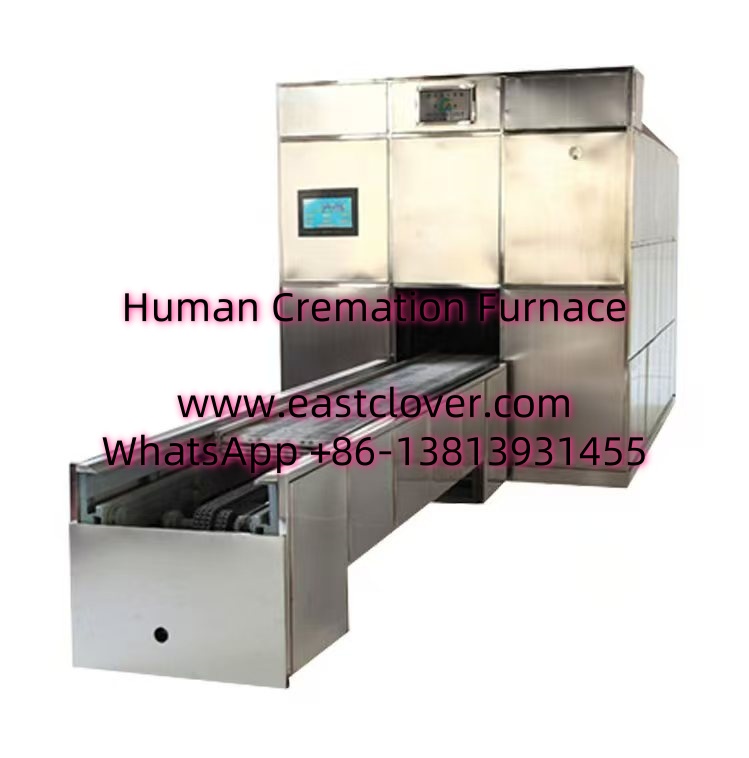
Portable container cremation furnaces are emerging as a transformative tool for Kampala’s healthcare infrastructure. These units are housed within repurposed shipping containers, making them easy to transport, install, and operate. Equipped with advanced incineration technology, they efficiently reduce human remains to ashes while minimizing emissions. Key features include:
- Mobility: Deployable to hospitals or temporary sites during emergencies.
- Efficiency: High-temperature combustion ensures complete cremation within hours.
- Eco-Friendliness: Filters and scrubbers reduce particulate matter and harmful gases.
- Cost-Effectiveness: Lower operational costs compared to maintaining traditional mortuaries.
Benefits for Kampala’s Healthcare System
Alleviating Overcrowding
By offering rapid cremation, these furnaces reduce the burden on overcrowded morgues, freeing up space for critical cases and improving hospital workflow.
Enhancing Hygiene and Safety
Decomposition poses biohazard risks. Cremation eliminates pathogens, ensuring safer handling of remains and protecting healthcare workers and communities.
Supporting Environmental Sustainability
Traditional burials contribute to land degradation and groundwater contamination. Cremation, especially with eco-friendly furnaces, offers a sustainable alternative.
Cultural Adaptability
These units can be customized to accommodate local practices, such as allowing families to collect ashes for traditional rites, bridging modern solutions with cultural values.
Case Study: Mulago National Referral Hospital
Mulago Hospital, Kampala’s largest public healthcare facility, recently piloted a portable cremation furnace to address its chronic mortuary congestion. Within six months, the hospital reported:
- A 40% reduction in prolonged body storage.
- Improved turnaround time for releasing remains to families.
- Positive feedback from staff regarding operational ease and safety.
This success has spurred interest in scaling the solution across other regional hospitals.
Challenges and Considerations
Despite their advantages, adoption faces hurdles:
- Cultural Resistance: Some communities view cremation as conflicting with burial traditions.
- Initial Costs: Procurement and installation require upfront investment.
- Fuel Access: Reliable energy sources (e.g., gas or electricity) are essential for consistent operation.
Addressing these challenges requires community engagement, subsidies, and partnerships with international health organizations.
The Future of Mortuary Management in Uganda
Portable cremation furnaces represent a stepping stone toward modernizing Uganda’s healthcare infrastructure. Future advancements could include:
- Solar-powered units to mitigate energy costs.
- AI-driven monitoring systems for real-time efficiency.
- Expanded public education campaigns to promote acceptance.
With government support and stakeholder collaboration, Kampala could set a precedent for mortuary innovation in East Africa.
www.southclover.com
Portable container cremation furnaces offer a pragmatic solution to Kampala’s mortuary management crisis. By combining mobility, efficiency, and cultural sensitivity, they address overcrowding, hygiene, and environmental concerns while respecting local traditions. As Uganda continues to urbanize, such innovations will be critical in building resilient healthcare systems that prioritize dignity for both the living and the deceased.
FAQs
What is a portable container cremation furnace?
A compact, mobile unit housed in a shipping container that cremates human remains efficiently and eco-friendly.
How does it improve mortuary management?
It reduces overcrowding, lowers infection risks, and provides a cost-effective alternative to traditional burial.
Why is this technology needed in Kampala?
Kampala’s hospitals face severe mortuary congestion, and land scarcity makes burials increasingly unsustainable.
Are cremation furnaces environmentally safe?
Modern units include emission-control systems to minimize air pollution, making them greener than older models.
What are the main challenges to adoption?
Cultural preferences for burial, initial setup costs, and ensuring reliable energy access.
Comments are closed