Introduction
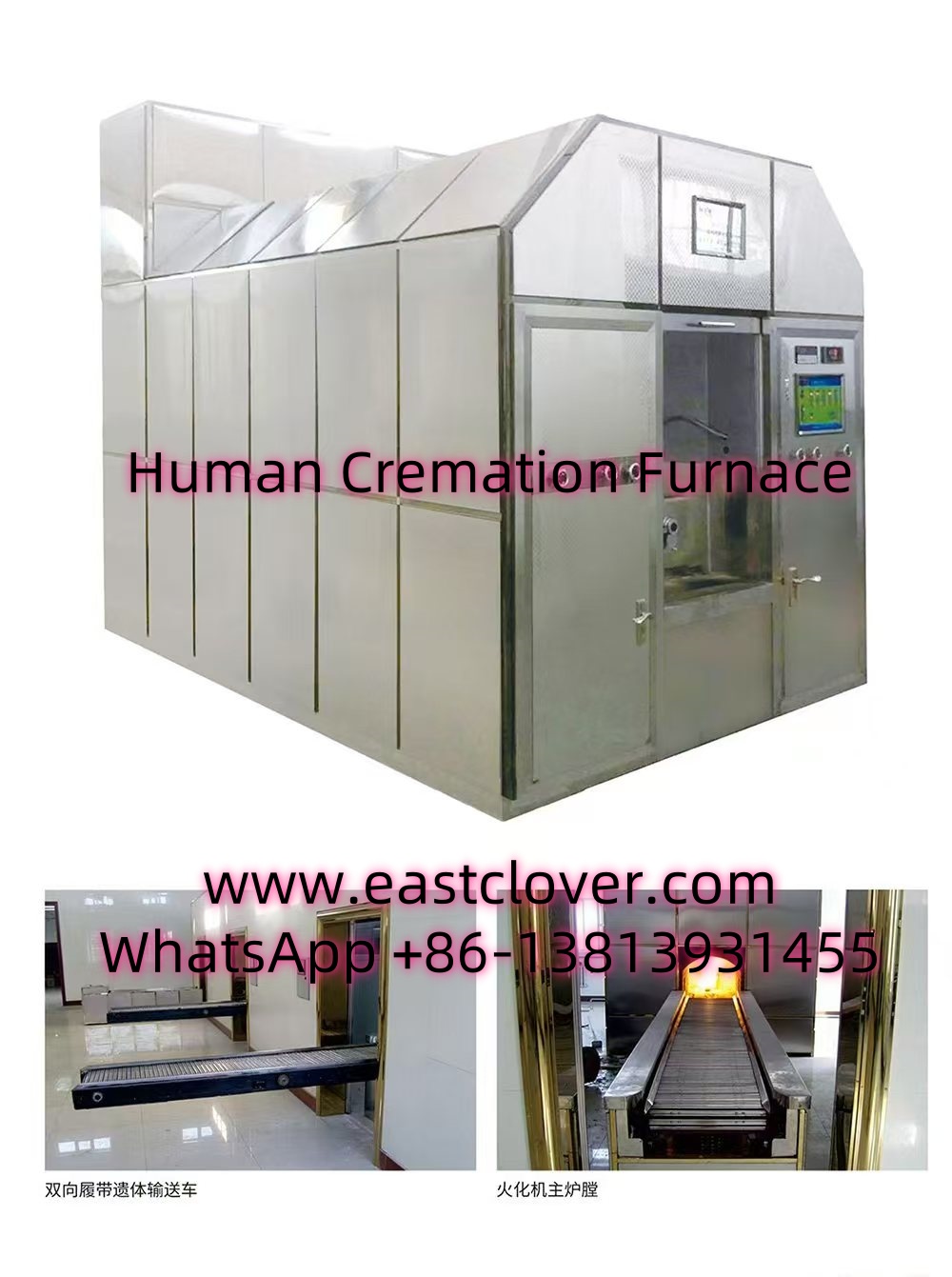
Public health infrastructure is a cornerstone of societal well-being, encompassing systems that manage sanitation, disease control, and mortality management. Among these, cremation furnaces play a critical role in ensuring dignified and efficient disposal of human remains, particularly in densely populated or disaster-prone regions. Governments worldwide are increasingly prioritizing the modernization of cremation infrastructure to address public health challenges, environmental concerns, and the need for cost-effective solutions. High-efficiency human cremation furnaces have emerged as a transformative technology, offering governments a sustainable and scalable option for procurement.
The Need for High-Efficiency Cremation Furnaces
Traditional cremation methods often suffer from inefficiencies, including excessive energy consumption, prolonged processing times, and harmful emissions. These shortcomings become particularly problematic during public health crises, such as pandemics or natural disasters, where mortality rates surge and systems are overwhelmed. High-efficiency furnaces address these challenges through advanced engineering, automation, and eco-friendly designs. By reducing fuel consumption, minimizing pollutants, and accelerating the cremation process, they ensure governments can manage increased demand while adhering to environmental regulations and public health standards.
Key Features of Modern Cremation Furnaces
High-efficiency cremation furnaces are characterized by several innovations:
- Energy Efficiency: Advanced combustion systems and heat recovery mechanisms reduce fuel consumption by up to 40% compared to conventional models.
- Emission Control: Integrated filters and scrubbers capture particulate matter, mercury, and other pollutants, ensuring compliance with air quality standards.
- Automation: Programmable controls and real-time monitoring systems optimize temperature, airflow, and burn cycles, minimizing human error.
- Scalability: Modular designs allow facilities to expand capacity without significant infrastructure overhauls.
- Compliance: Built to meet international safety and environmental certifications, such as ISO 14001 and EPA guidelines.
Benefits for Government Procurement
Governments stand to gain significantly from investing in high-efficiency cremation technology:
- Cost-Effectiveness: Lower operational costs due to reduced fuel and maintenance requirements free up budgets for other public health initiatives.
- Public Health Safety: Rapid processing of remains mitigates the risk of disease transmission during outbreaks.
- Environmental Compliance: Meeting stringent emission standards helps avoid penalties and fosters community trust.
- Disaster Preparedness: Scalable systems ensure readiness for sudden spikes in mortality, such as during pandemics or natural disasters.
- Social Responsibility: Eco-friendly cremation aligns with global sustainability goals and ethical practices.
Case Studies: Success Stories in Public Health
Several governments have already implemented high-efficiency cremation systems with measurable success:
- India: In response to the COVID-19 pandemic, cities like Delhi deployed modular cremation furnaces to manage the surge in fatalities, reducing wait times and environmental impact.
- Japan: Aging populations and limited land for burials have driven the adoption of electric cremators, which cut energy use by 50% and operational costs by 30%.
- European Union: Countries like Germany have integrated emission-neutral cremation systems into municipal waste management plans, achieving carbon reduction targets.
www.southclover.com
High-efficiency cremation furnaces represent a paradigm shift in public health infrastructure, offering governments a sustainable, cost-effective, and socially responsible solution for mortality management. By prioritizing advanced technology in procurement strategies, policymakers can enhance disaster resilience, protect environmental quality, and uphold the dignity of the deceased. As urbanization and climate-related challenges intensify, investing in modern cremation systems will remain a critical component of holistic public health planning.
FAQs
What makes a cremation furnace “high-efficiency”?
High-efficiency furnaces use advanced combustion technology, heat recovery systems, and automated controls to reduce energy consumption, emissions, and processing times.
How do these furnaces benefit the environment?
They incorporate filters and scrubbers to capture pollutants, significantly lowering greenhouse gas emissions and particulate matter release.
Are high-efficiency models more expensive than traditional ones?
While initial costs may be higher, long-term savings from reduced fuel use and maintenance offset the investment, making them cost-effective over time.
Can these systems handle sudden increases in demand?
Yes, modular designs allow for rapid scalability, ensuring facilities can manage surges during emergencies without compromising efficiency.
Do governments need specialized training to operate these furnaces?
Most modern systems include user-friendly interfaces and automated controls, though basic training is recommended to maximize performance and safety.
Comments are closed