Urban Mortality Challenges in Morocco
Morocco’s rapid urbanization has transformed cities like Casablanca, Rabat, and Marrakech into bustling hubs of economic and social activity. However, this growth has strained traditional mortality management systems. Urban cemeteries face overcrowding, and the scarcity of land exacerbates public health and environmental concerns. Traditional burial practices, while culturally significant, require significant space and can lead to soil and groundwater contamination over time. These challenges demand innovative solutions to align with sustainable urban development goals.
Portable Container Cremation Furnaces: A Modern Solution
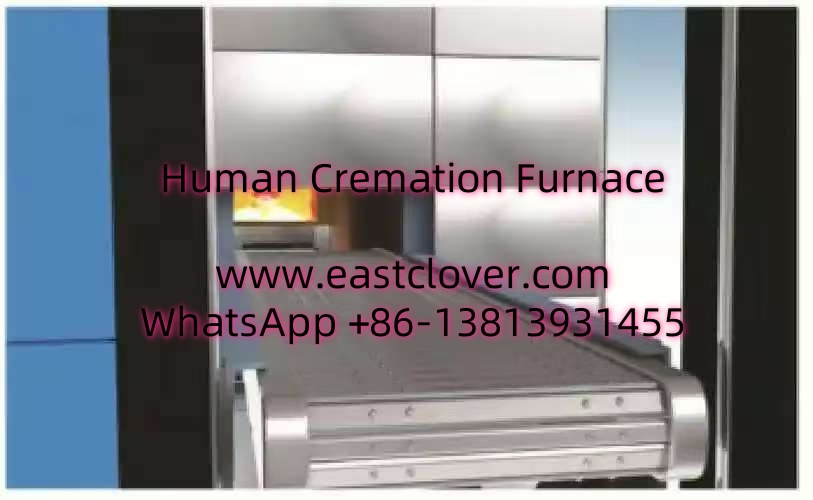
Portable container cremation furnaces are modular, mobile units designed to provide efficient and eco-friendly cremation services. Housed within shipping containers, these systems can be rapidly deployed to urban areas, disaster zones, or remote regions. They utilize advanced combustion technology to minimize emissions and energy consumption, often powered by electricity or clean-burning fuels. Equipped with filtration systems, they reduce particulate matter and harmful gases, addressing environmental and health concerns.
Benefits for Moroccan Cities
- Space Efficiency: Reduces reliance on expanding cemeteries, preserving land for housing and infrastructure.
- Environmental Sustainability: Lowers carbon footprint compared to traditional burials and older cremation methods.
- Public Health: Mitigates risks of groundwater contamination and disease spread from overcrowded burial sites.
- Disaster Response: Provides a scalable solution for mass casualty events or pandemics.
Cultural and Regulatory Considerations
Cremation is uncommon in Islamic traditions, which emphasize swift burial. However, Morocco’s diverse population includes non-Muslim communities and foreign residents who may prefer cremation. For broader acceptance, public awareness campaigns and interfaith dialogues are essential. Policymakers would need to revise regulations to accommodate cremation while respecting cultural norms. Pilot programs in cosmopolitan cities could serve as a starting point.
Implementation Strategy
Successful adoption requires collaboration between government agencies, urban planners, and technology providers. Key steps include:
- Conducting feasibility studies to identify high-demand areas.
- Updating legal frameworks to permit cremation.
- Partnering with manufacturers to ensure cost-effective deployment.
- Launching public education initiatives to address misconceptions.
www.southclover.com
Portable container cremation furnaces offer a pragmatic approach to Morocco’s urban mortality challenges. By integrating technology with thoughtful policy and cultural sensitivity, cities can modernize infrastructure without compromising tradition. This innovation aligns with global sustainability trends and positions Morocco as a leader in adaptive urban management.
FAQs
Is cremation permitted in Islam?
Traditional Islamic practices favor burial, but cremation may be considered in exceptional circumstances or for non-Muslim populations.
How do portable cremation furnaces work?
They use high-temperature combustion to reduce remains to ashes, with filters to capture emissions. Units are transportable and require minimal infrastructure.
Are these furnaces environmentally safe?
Yes, modern systems include emission controls to meet international air quality standards.
What is the cost compared to traditional burial?
Initial investment is higher, but long-term savings from reduced land use and maintenance offset costs.
Is there government support for this technology?
Discussions are ongoing, but pilot projects and partnerships will be critical to gaining institutional backing.
Comments are closed