Introduction
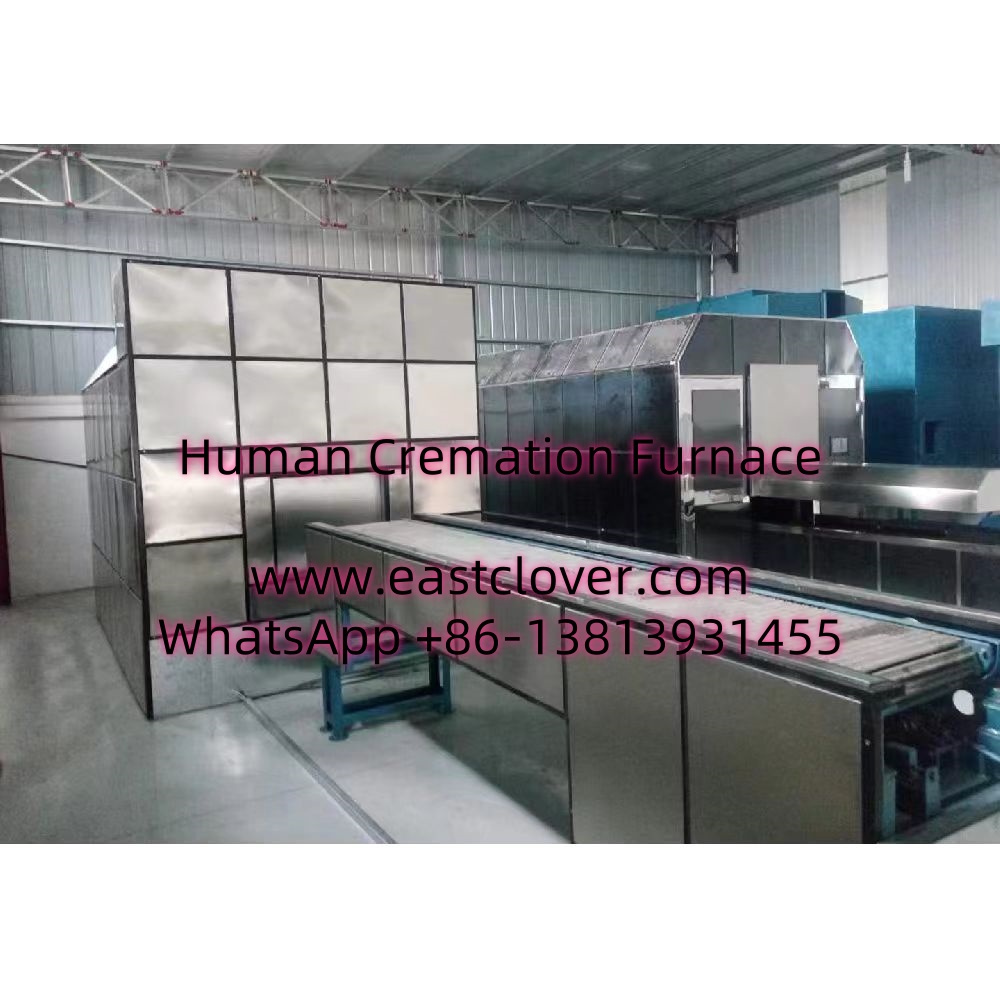
The funeral industry has undergone significant transformations over the years, driven by technological advancements and evolving societal expectations. Among these changes, the design and functionality of human cremation furnaces have emerged as a critical area of innovation. Custom cremation furnace solutions are now at the forefront, addressing environmental concerns, operational efficiency, and the need for personalized memorial services. This news explores the cutting-edge developments in custom human cremation furnace design, highlighting how tailored solutions are reshaping the future of end-of-life practices.
The Evolution of Cremation Technology
Traditional cremation furnaces were primarily designed for utility, focusing on basic functionality with little regard for environmental impact or energy efficiency. Early models relied on rudimentary combustion systems, often resulting in high emissions and inconsistent performance. However, as sustainability became a global priority, the industry began adopting advanced technologies to reduce carbon footprints and enhance operational precision.
Modern cremation furnaces now incorporate features such as automated temperature control, adaptive airflow systems, and real-time emissions monitoring. These innovations ensure compliance with stringent environmental regulations while improving the overall cremation process’s reliability and dignity.
Key Innovations in Custom Furnace Design
1. Modular and Scalable Systems
Custom furnaces are increasingly designed with modularity in mind, allowing facilities to scale operations based on demand. Modular units can be added or reconfigured without disrupting existing workflows, making them ideal for urban crematoriums with space constraints or rural areas requiring adaptable solutions.
2. Energy Efficiency and Renewable Integration
Innovators are integrating renewable energy sources, such as solar or biomass, into cremation furnace designs. Hybrid systems that combine electric and gas heating reduce reliance on fossil fuels, while heat recovery mechanisms repurpose waste energy for facility heating or water systems.
3. Precision Control with AI and IoT
Artificial Intelligence (AI) and the Internet of Things (IoT) enable real-time monitoring and optimization of cremation parameters. Sensors track temperature, airflow, and emissions, feeding data to AI algorithms that adjust operations for maximum efficiency and minimal environmental impact. Remote diagnostics also allow technicians to troubleshoot issues without onsite visits.
4. Eco-Friendly Emissions Management
Advanced filtration systems, such as catalytic converters and electrostatic precipitators, are now standard in custom designs. These technologies neutralize harmful pollutants like mercury and particulate matter, ensuring compliance with global air quality standards.
5. Personalized Memorialization Features
Custom furnaces now offer options for families to personalize the cremation experience. For example, integrated chambers allow for symbolic items to be cremated alongside loved ones, while glass-viewing windows provide a dignified farewell process. Some systems even incorporate digital interfaces for virtual attendance.
Environmental and Ethical Considerations
The push for sustainability has driven the adoption of green cremation methods, such as alkaline hydrolysis (water cremation), which uses less energy and produces fewer emissions than traditional flame-based processes. Custom furnaces designed for these methods prioritize water recycling and biodegradable byproduct management.
Ethical considerations also play a role in design. Manufacturers are collaborating with cultural and religious leaders to create furnaces that respect diverse end-of-life practices, such as extended cooling periods or specific material compatibilities.
Challenges in Custom Furnace Implementation
While custom solutions offer numerous benefits, challenges persist. High upfront costs, regulatory hurdles, and public perception of new technologies can slow adoption. For instance, communities may resist AI-driven systems due to concerns about depersonalization. Education and transparent communication are critical to overcoming these barriers.
www.southclover.com
Custom human cremation furnaces represent a convergence of innovation, sustainability, and empathy. By leveraging advanced technologies and prioritizing environmental stewardship, manufacturers are creating solutions that honor the deceased while addressing the needs of the living. As the industry continues to evolve, these tailored systems will play a pivotal role in shaping a more sustainable and compassionate future for end-of-life care.
FAQs
What makes a cremation furnace “custom”?
Custom furnaces are tailored to meet specific operational, environmental, or cultural requirements. This includes modular sizing, energy source flexibility, and personalized features for memorialization.
How do AI and IoT improve cremation processes?
These technologies optimize temperature control, reduce fuel consumption, and enable remote monitoring, ensuring consistent performance and compliance with emissions standards.
Are eco-friendly cremation methods more expensive?
While initial costs may be higher, energy-efficient systems often reduce long-term operational expenses. Government incentives for green technologies can also offset upfront investments.
Can custom furnaces accommodate religious practices?
Yes. Manufacturers work with communities to design systems that align with specific rituals, such as prolonged cremation times or the use of particular materials.
What happens to emissions from modern cremation furnaces?
Advanced filtration systems capture and neutralize pollutants, ensuring that emissions meet or exceed environmental regulations.
Comments are closed